Table of Contents
For years, the facade of impartiality at taxpayer-funded public broadcasting hid a venomous partisan streak exposed in explosive undercover footage that revealed the ugly truth behind the Sesame Street smiles.
Now, the house of cards collapses as federal dollars dry up for good.
The Corporation for Public Broadcasting announced Monday that its board of directors voted to dissolve the nonprofit after 58 years, following congressional rescission of more than $1.1 billion in previously allocated federal funding pushed by President Donald Trump and Republican lawmakers.
CPB leaders opted for full dissolution rather than existing as a defunded entity open to further political risks.
"For more than half a century, CPB existed to ensure that all Americans—regardless of geography, income, or background—had access to trusted news, educational programming, and local storytelling," Patricia Harrison, CPB's president and CEO, said in a statement.
"When the Administration and Congress rescinded federal funding, our Board faced a profound responsibility: CPB’s final act would be to protect the integrity of the public media system and the democratic values by dissolving, rather than allowing the organization to remain defunded and vulnerable to additional attacks," Harrison continued.
The board determined that without resources to meet congressional mandates, keeping CPB operational as a shell would not serve the public or public media goals.
CPB began winding down last August after the cuts passed, eliminating most staff by September 2025 while a transition team handled closeout through January 2026.
The organization will now distribute remaining funds, support preservation of historic content via the American Archive of Public Broadcasting, and archive its records with the University of Maryland.
Created under the Public Broadcasting Act of 1967, CPB distributed roughly $500 million annually to PBS, NPR and over 1,500 local stations, many rural and vital in news deserts.
PBS and NPR programs continue through private funding sources.
Board chair Ruby Calvert called the defunding devastating yet expressed hope.
"Even at this moment, I am convinced that public media will survive, and that a new Congress will address public media’s role in our country because it is critical to our children’s education, our history, culture and democracy to do so," Calvert said.
The cuts sparked $70 million in private donations last year, though analysts estimate 15 percent of local stations risk closure within three years.
Republicans, long accusing public media news of liberal bias, turned criticism into action under unified control.
Trump labeled the outlets "woke propaganda" and threatened endorsements against opponents of cuts.
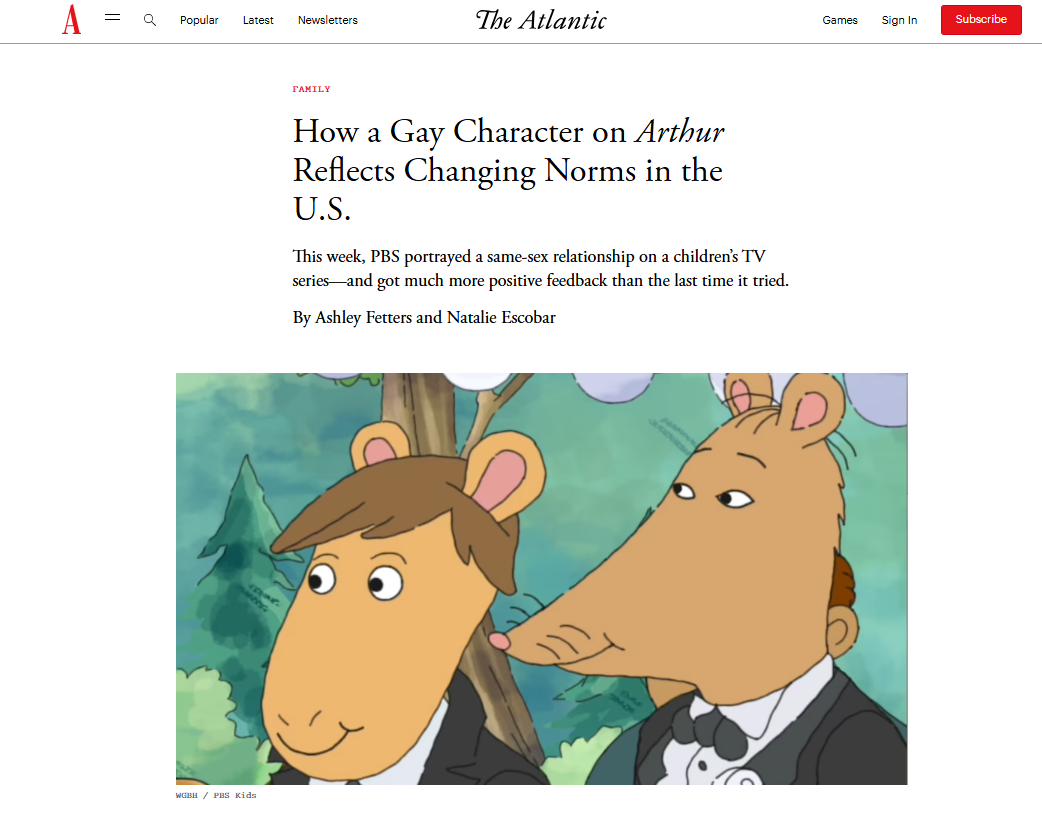
Bias claims gained traction from a 2021 Project Veritas undercover video conducted by this reporter, a former undercover journalist, of then-PBS principal counsel Michael Beller.
PBS touted itself as unbiased ahead of the 2020 election, yet Beller exposed partisan rage in hidden-camera footage.
Beller fantasized about throwing Molotov cocktails at the White House and cheered COVID deaths in red states as hitting Trump supporters.
He suggested seizing Republican voters' children for re-education camps featuring PBS programming.
Additional clips showed him claiming conservatives faced hiring barriers at PBS and advocating more transgender content, bragging to me that "PBS would never hire a redneck conservative."
PBS fired Beller immediately upon the video's release, stating his views did not represent the network.
WATCH:
The gravy train ends at last.
Taxpayers reclaim billions from the biased broadcast behemoth that masqueraded as public service while peddling partisan poison.
Good riddance. Public media's federal lifeline severed, accountability finally arrives.