Table of Contents
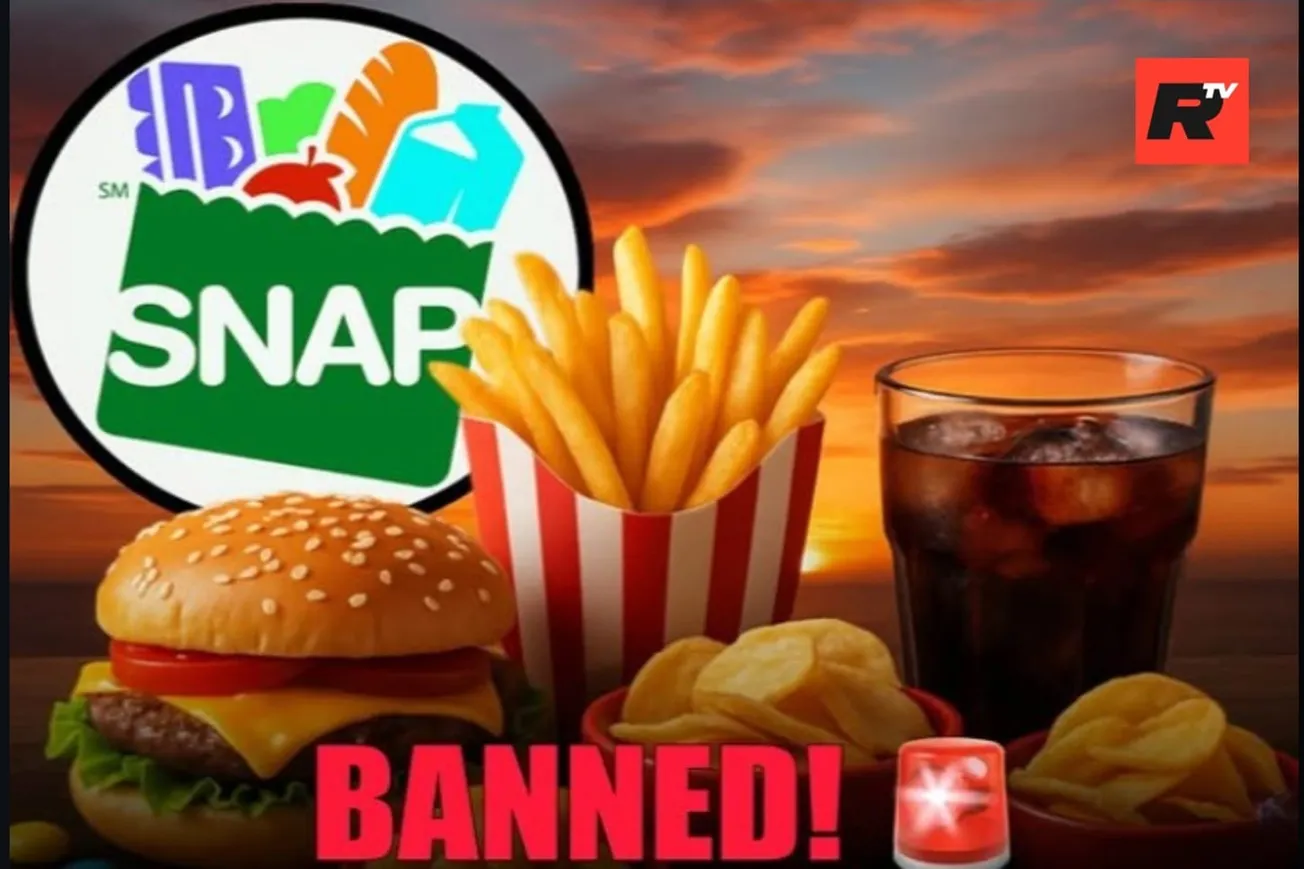
Enough is enough: American taxpayers will no longer subsidize obesity and chronic disease through welfare dollars spent on junk food.
Five states launch historic restrictions on the Supplemental Nutrition Assistance Program on New Year's Day.
Indiana, Iowa, Nebraska, Utah and West Virginia now prohibit SNAP beneficiaries from buying soda, candy and other sugary items with federal benefits.
The changes affect about 1.4 million recipients in those states.
Eighteen states total have secured waivers from the U.S. Department of Agriculture to curb purchases of unhealthy foods.
Health and Human Services Secretary Robert F. Kennedy Jr. and Agriculture Secretary Brooke Rollins champion the reforms as part of the Make America Healthy Again initiative.
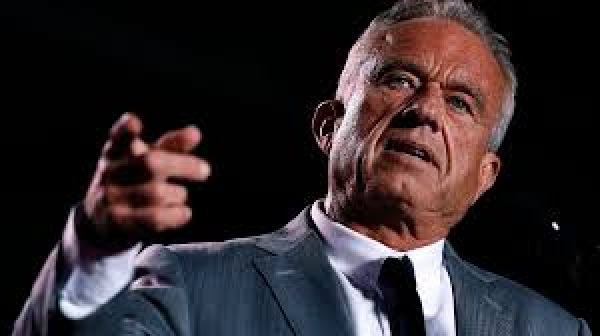
"We cannot continue a system that forces taxpayers to fund programs that make people sick and then pay a second time to treat the illnesses those very programs help create," Kennedy said in a statement in December.
"For years, SNAP has used taxpayer dollars to fund soda and candy - products that fuel America's diabetes and chronic disease epidemics," Kennedy said in a separate statement.
Utah and West Virginia ban soft drinks. Nebraska outlaws soda and energy drinks. Indiana targets soft drinks and candy. Iowa imposes the broadest limits, barring soda, candy and other taxable pre-packaged foods like chocolate-coated nuts and sweet popcorn.
Additional states roll out restrictions later in 2026, including Florida and Texas in April, South Carolina in August and Missouri in October.
Nearly 42 million Americans, or 12 percent of the population, receive SNAP benefits.
This bold stand against the junk food lobby marks a turning point in reclaiming health freedom.
 Alicia Powe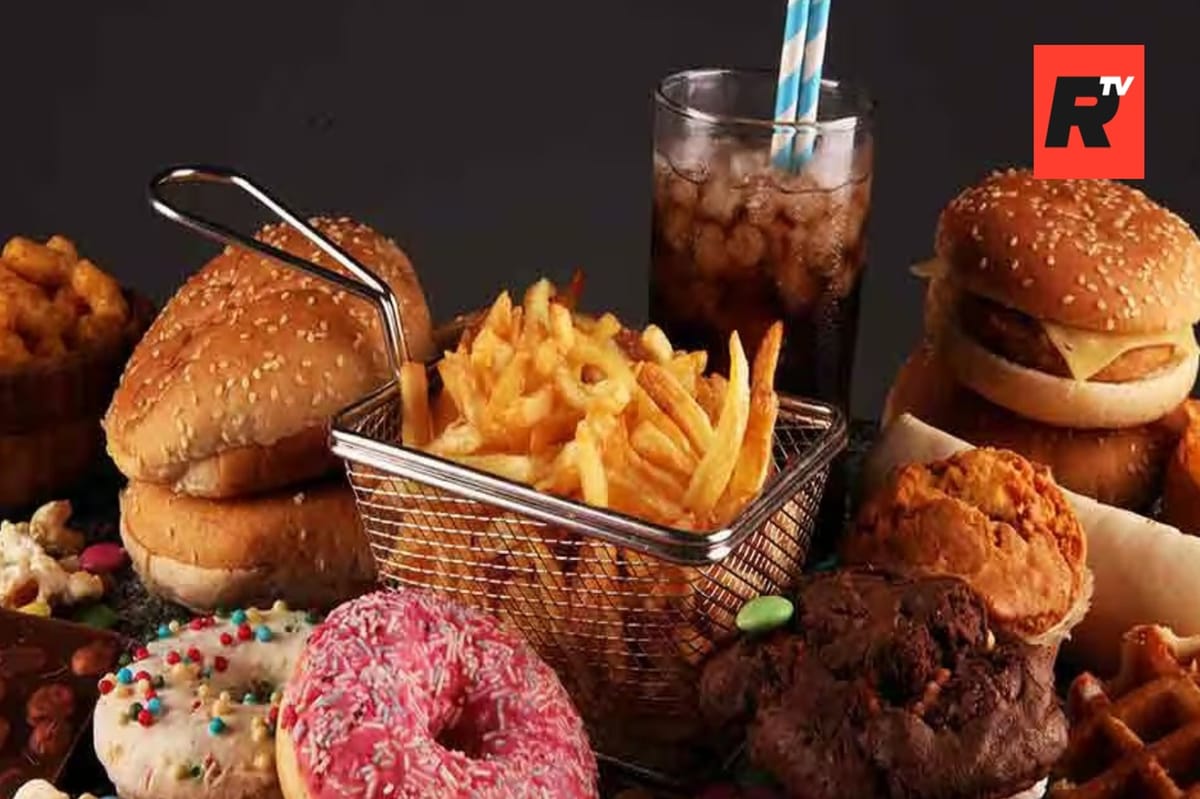
Critics warn of chaos at checkout lines and added stigma for recipients.
"SNAP restrictions will create more harm, confusion, and chaos for program participants who are still reeling from the government shutdown that unnecessarily delayed the delivery of benefits," Crystal FitzSimons, president of the Food Research & Action Center, said in a statement.
"It's a disaster waiting to happen of people trying to buy food and being rejected," said Kate Bauer, a nutrition science expert at the University of Michigan.
Retail groups estimate implementation costs at $1.6 billion initially, plus $759 million annually.
Finally, common sense prevails: Taxpayers deserve accountability, and vulnerable families deserve real nutrition, not government-funded poison that keeps Big Food rich and Americans sick.