Table of Contents
Verizon and AT&T are currently experiencing a nationwide network outage affecting wireless voice and data services for many customers, with reports of phones displaying "SOS" mode or no service.
AT&T and T-Mobile networks remain operational, though users are encountering issues when trying to reach Verizon customers—failed calls or texts.
While we have seen mass outages in the past, this specific incident is unique: the primary impact here is a widespread service outage rather than a confirmed data breach or compromise.
The timing coincides with heightened global tensions: the United States poised for military action against Iran amid domestic protests there, and foreign adversaries like China—a close ally of Iran and often described as using it as a strategic proxy—have condemned the possibility of U.S. intervention.
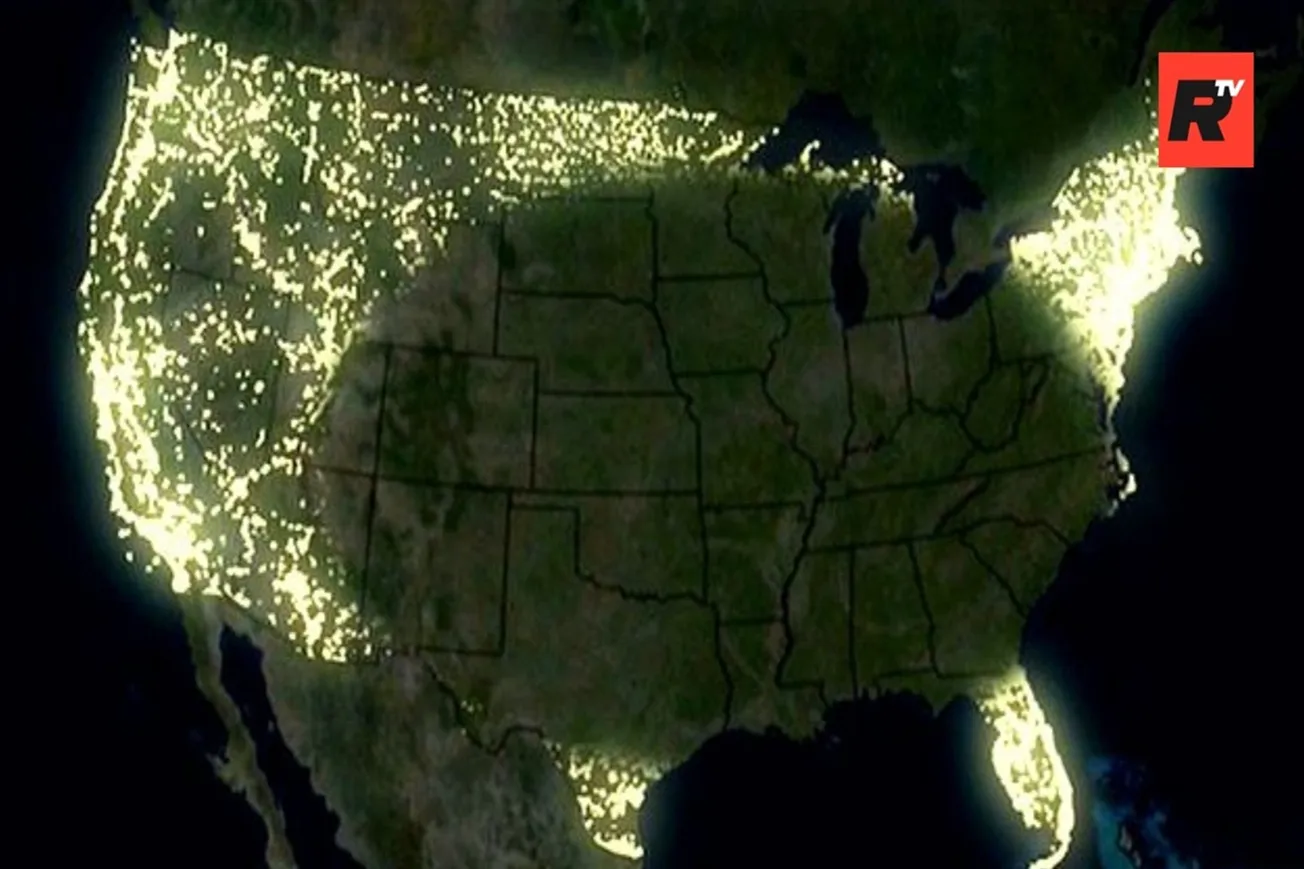
If these outages prove to be the result of a cyberattack, key questions arise: Who is responsible, and how vulnerable is U.S. critical infrastructure?
In May of 2020, President Donald Trump signed Executive Order 13920, directing the Department of Energy to identify and ban devices from the power grid made by foreign countries deemed threats to national security.
Although the order did not explicitly name specific foreign adversaries, it followed the 2019 seizure of a large transformer from China at the Port of Houston. The transformer, destined for the Western Area Power Administration (WAPA) and manufactured by Jiangsu Huapeng Transformer Co. (JSHP)—one of China's largest suppliers and involved in intelligent optical storage systems—was intercepted by DOE and analyzed at Sandia National Laboratories.
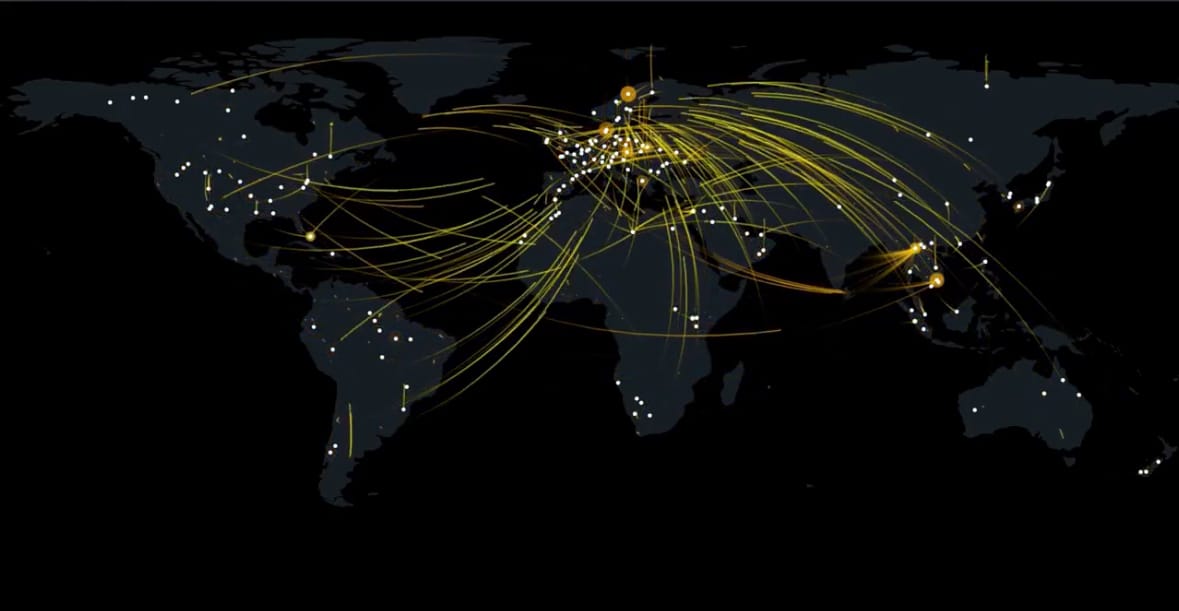
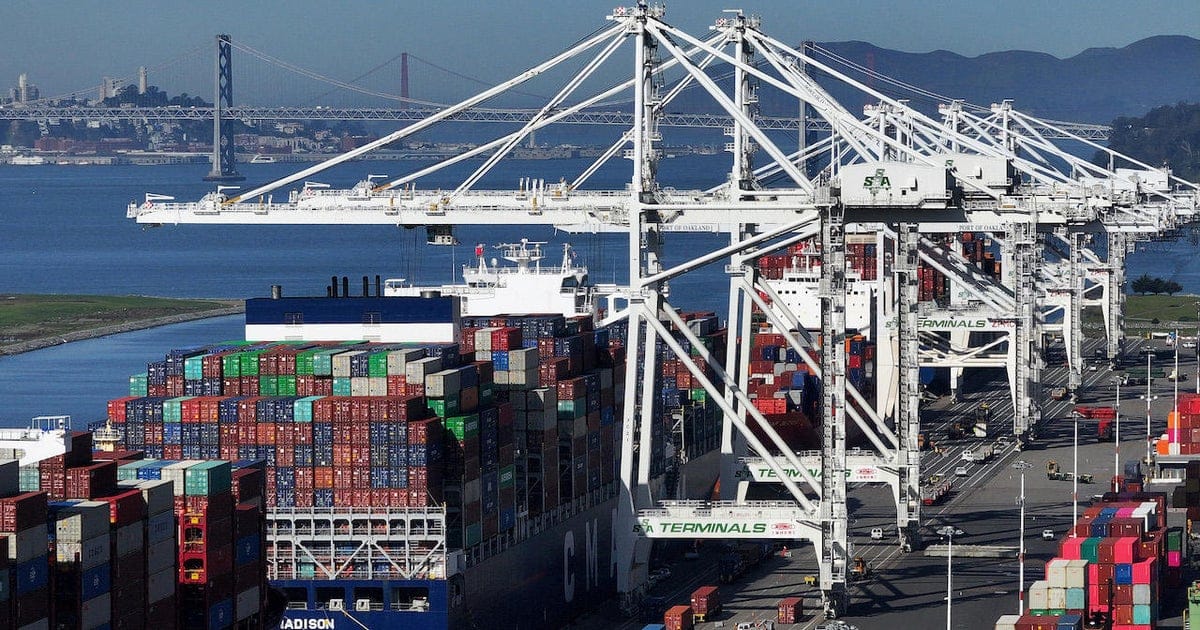
Despite these concerns, U.S. trade with China in this sector continues. In recent years, the U.S. has imported billions of dollars worth of critical electrical transformers from China: approximately $3.86 billion in 2024, following an incredible $4.09 billion in 2023, per trade data.
According to the Observatory of Economic Complexity, this makes China the second-largest source of US electrical transformer imports. These transformers, 100,000 kVA, are commonly found in large industrial settings, power plants, and utility systems.
The U.S. electric grid includes over 300,000 known energy-related entities operating in a largely self-regulated environment with limited federal oversight. There are currently no mandatory requirements to protect this vital and vulnerable infrastructure from cyberattacks, geomagnetic disturbances, extreme weather, or electromagnetic pulses.
A study was recently published noting a significant and concerning amount of technical literature by Chinese researchers focusing on the potential power grid failure in the United States and Europe. These reports include terms such as "cascading failure," "outages," and "vulnerability," including models of how failures propagate through the Western power grids, identification of critical nodes and optimization of targeted disruptions.
This raises a serious question: Is it plausible that China has exploited ongoing trade to embed backdoors in the U.S. electric grid?
The advanced persistent threat (APT) group Volt Typhoon, operating on behalf of the People’s Republic of China since at least mid-2021, has primarily focused on cyberespionage against U.S. critical infrastructure. It's activities include intelligence gathering, data exfiltration, and unauthorized access to credentials.
In 2024, U.S. officials and Five Eyes Intelligence warned that the group "has been pre-positioning itself on U.S. critical infrastructure organizations' networks to enable disruption or destruction of critical services in the event of heightened geopolitical tensions and/or military conflict with the United States and its allies."
While national security discussions on cybersecurity are generally focused on data breaches, this grossly neglects the concern for critical infrastructure, which could lead to mass chaos and even loss of life. Essentially, there is no hack needed—only access to install hardware, which China has.
This "backdoor" threat from our adversaries applies to all of our critical infrastructure, not just the grid. This type of attack could easily be mistaken for a critical equipment malfunction.
We have long been aware of these vulnerabilities. Former Executive Chairman of the World Economic Forum warned at a Cyber Polygon event, "We all know, but still pay insufficient attention to, the frightening scenario of a comprehensive cyber attack, which would bring a complete halt to the power supply, transportation, hospital services—our society as a whole."
While a power grid attack is a terrifying prospect, even more alarming is the potential collusion or exploitation involving China and Islamic extremist networks.
When viewed alongside the egregious weaponization of mass migration under the previous administration—during which hundreds of thousands of individuals from Special Interest Aliens (SIAs) illegally crossed the border and embedded themselves within our communities—the question becomes unavoidable: How could a cyberattack be coordinated or exploited in conjunction with Islamic terror cells operating domestically?
As the threat of war with Iran becomes imminent, is the U.S. government truly prepared for the cascading consequences that may follow, or are we once again disregarding warnings that demand immediate action and readiness?