Table of Contents
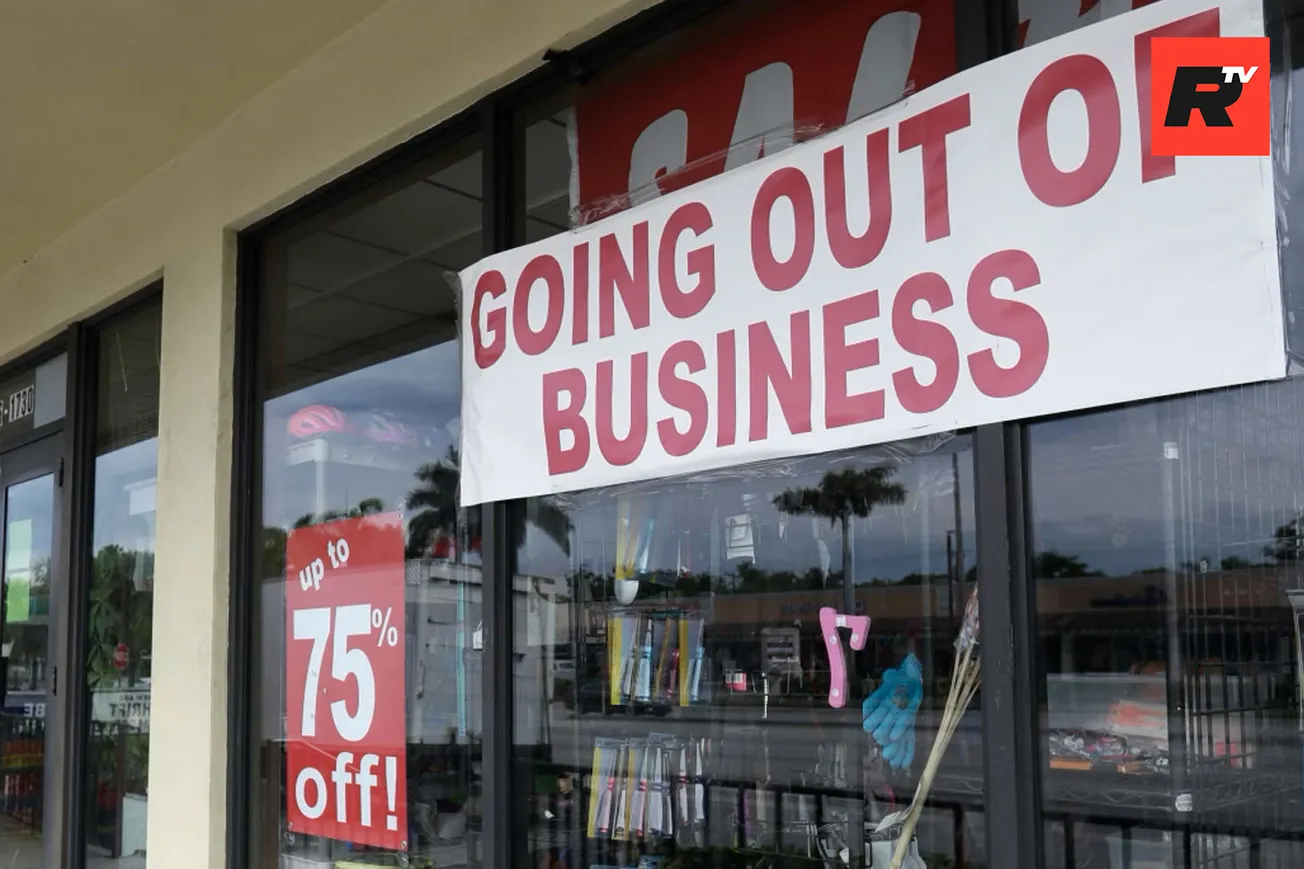
Mom-and-pop businesses across the United States are collapsing into bankruptcy at the fastest pace on record, driven by crushing debt loads and a hostile economic environment, according to new federal court data.
More than 2,200 small firms and individuals have filed for relief this year under Subchapter V, the streamlined bankruptcy process created six years ago for America’s smallest companies.
That marks the highest annual total since the program launched in 2020, according to Epiq Bankruptcy Analytics.
Court-approved Carol Fox, a trustee who oversees more than two dozen cases filed in Southern Florida, warns, "Creditors are just breathing down their necks."
Subchapter V filings through November jumped more than 8 percent to 2,221 compared with the same period in 2024, Epiq data show.
Traditional Chapter 11 reorganizations, the route taken by larger companies and wealthy individuals, rose only about 1 percent to just over 6,000 cases in the same span.
The surge comes as high interest rates, skittish consumers, and lingering fallout from the Trump-era trade wars hammer the bottom lines of the nation’s smallest operators.
The uptick in small-business bankruptcies traces back in part to the economic fallout from COVID-19 lockdowns, which forced widespread closures and revenue losses for mom-and-pop operations in 2020 and 2021.
Federal data show business filings peaked at 518 under Subchapter V that year amid those restrictions.
Pandemic-era relief, including Small Business Administration loans totaling about $380 billion in economic-injury disaster loans, provided temporary lifelines but left many owners with lingering debt burdens as supports waned.
Under the Biden administration, inflation surged to a 40-year high of 9.1 percent in June 2022, driven by factors including massive federal spending packages and supply-chain disruptions.
This eroded profit margins for small businesses through higher costs for raw materials, labor, energy and utilities.
Real wages fell 1.9 percent between February 2022 and February 2023, squeezing consumer spending and further pressuring local retailers and service providers.
Small-business optimism plunged to a six-month low in October.
Congress created Subchapter V in 2020 to give companies with less than $7.5 million in debt a cheaper, faster path out of insolvency.
Lawmakers slashed the debt ceiling to roughly $3 million last year, a move intended to reserve the program for truly small entities. Instead of slowing filings, the tighter rules coincided with an acceleration.
Fox said the process is used predominantly by small companies, though many individuals she sees carry a mix of business and personal debt.
Consumer bankruptcies are also climbing. More than 180,000 Chapter 13 cases—typically filed by individuals seeking to keep homes and cars—have been logged through November, up nearly 5 percent from the first eleven months of 2024.
While Washington elites toast record stock markets and pat themselves on the back for "soft landings," Main Street is bleeding out.
These aren’t faceless corporations — these are the family hardware stores, the neighborhood restaurants, the independent truckers who built this country.
When mom-and-pop America files bankruptcy faster than ever before, the ruling class calls it "resilience." The rest of us call it a national disgrace.