Table of Contents
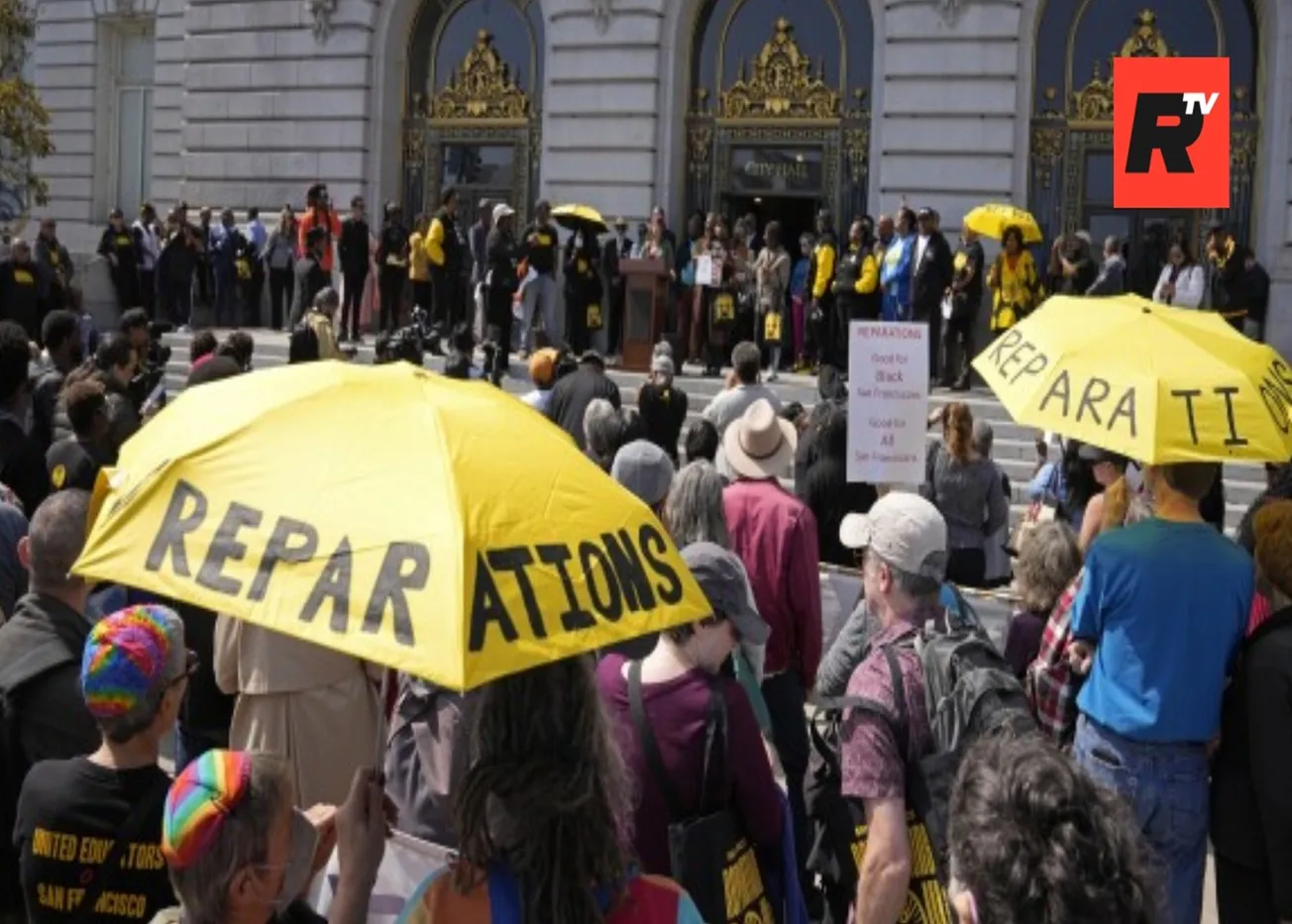
The San Francisco Board of Supervisors approved an ordinance Tuesday establishing a reparations fund for Black residents to address historical discriminatory city policies.
The measure includes no initial city funding amid ongoing budget shortfalls.
The ordinance, authored by Supervisor Shamann Walton, creates a structure for future contributions from city appropriations or private donations.
It aims to implement recommendations from the city's African American Reparations Advisory Committee.
California Democrats are actually doing it, Reparations for black people was just signed by the the San Francisco Board of Supervisors
— Wall Street Apes (@WallStreetApes) December 17, 2025
Democrats are going to take from citizens who never owned slaves, to give to people who were never slaves, in a state that never had slaves… pic.twitter.com/j0NDfDpaAp
"This most certainly is different than asking the city to pony up dollars to support reparations recommendations," said Supervisor Shamann Walton, who authored the ordinance. "It's gonna take some time. We've got to build a pot and then, of course, come up with the right criteria in terms of how we're going to prioritize what recommendations we address first. But this is a major first step."

The approval follows the committee's 2023 report, which proposed more than 100 measures, including $5 million lump-sum payments to eligible Black adults, annual incomes of at least $97,000, down-payment assistance, debt and tax relief, and homes sold for $1.
The report cited urban renewal projects from the 1950s to 1970s that displaced Black residents in neighborhoods like the Fillmore and Western Addition without adequate compensation.
San Francisco's Black population now comprises about 5 percent of residents but roughly 37 percent of the homeless.
James Taylor, a committee member and descendant of enslaved people, described the effort's significance.
"I think it means the social repair of the most affected group by these policies that go back 150 years in the state and that continue to underdevelop the full potential of the Black population of the state," he said.
"Think about how recent that is and how economically - the empty hands of my grandfather left me with nothing, because the empty hand of his grandfather, who started in slavery, left him nothing," he continued.
san francisco is trying to give black people five million dollars each for being black, with additional annual income payments so nobody living in the city, who is black, ever has to work again (for 250 years). this is considered uncontroversial on the city's "moderate" board. pic.twitter.com/cnLYL9a9Aw
— Mike Solana (@micsolana) December 17, 2025
If funded, the program could provide payments to Black residents proving they have suffered from past policies or descent from enslaved Americans.
Critics have raised concerns about feasibility and fair distribution.
Walton called funding the key obstacle but voiced hope for donations from foundations, corporations and individuals.
The ordinance advances a structural framework without immediate costs.
San Francisco's leaders virtue-signal reparations while kicking the can down the road, leaving taxpayers off the hook—for now.
In a broke city prioritizing symbolism over solvency, this empty fund speaks volumes about misplaced priorities.