Table of Contents
In November of this year, Texas Governor Greg Abbott made a bold move in fighting radical Islam by issuing a proclamation designating the Council on American-Islamic Relations (CAIR) and the Muslim Brotherhood as foreign terrorist and transnational criminal organizations.
This proclamation essentially bans the organizations and their affiliates from purchasing or acquiring land in Texas. It also authorizes heightened enforcement against the groups.
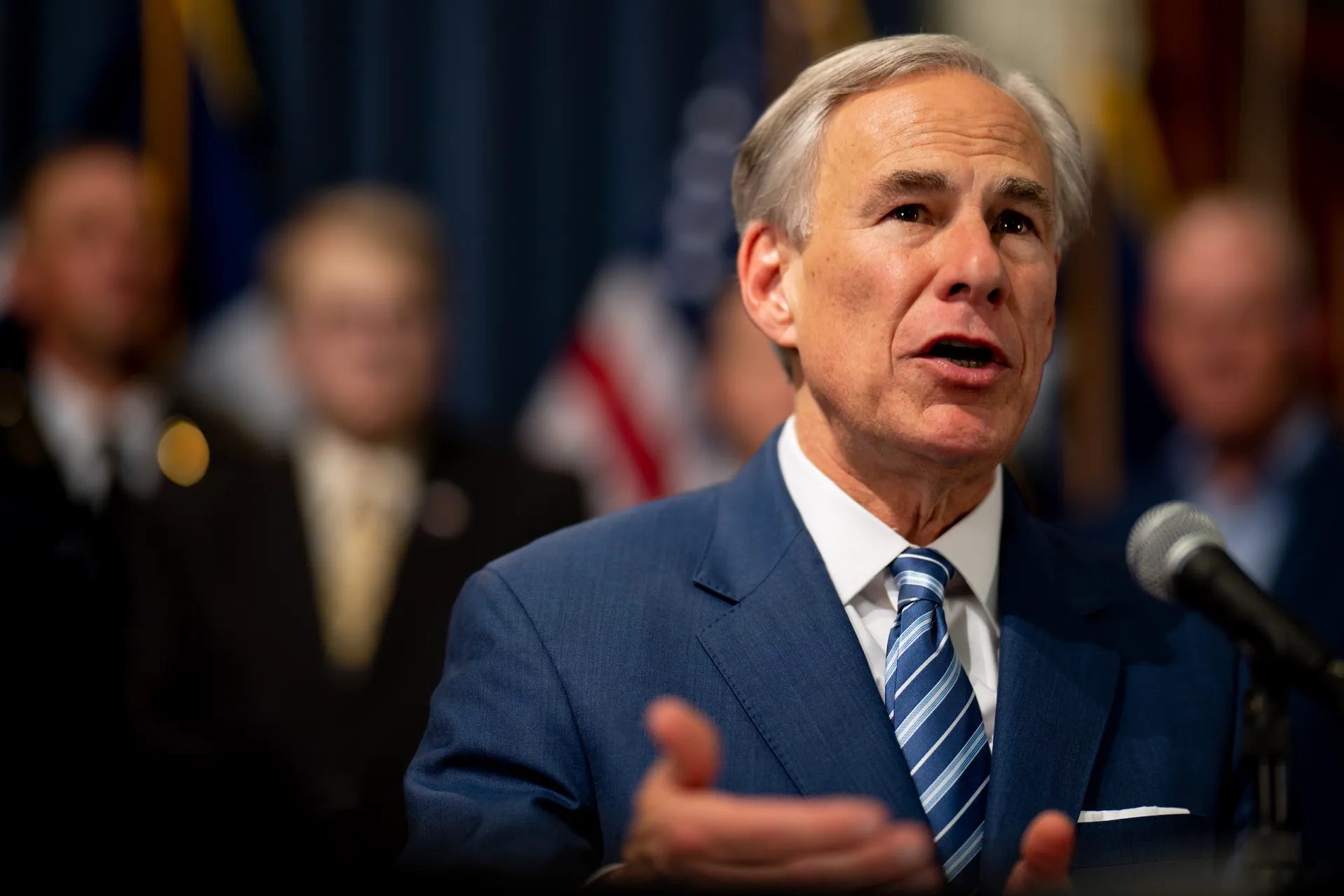
Just days following the announcement, Governor Abbott instructed the Texas Department of Public Safety (DPS) to begin conducting criminal investigations into the two groups.
CAIR has now filed a federal lawsuit against Abbott and Texas Attorney General Ken Paxton, arguing that the governor has no authority to unilaterally declare a terrorist organization. The lawsuit also claims that the designation is defamatory and violates constitutional protections such as free speech.
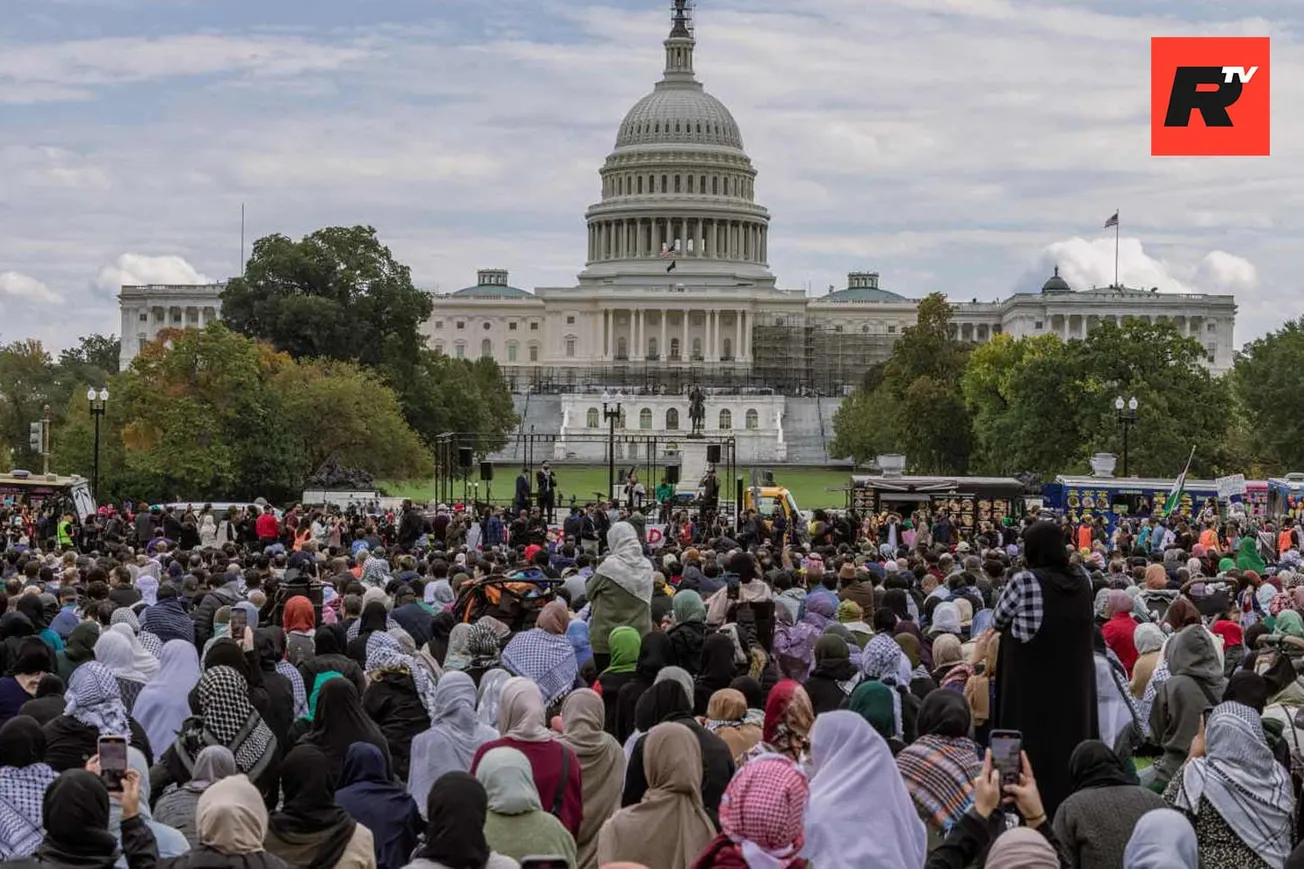
There has been growing concern among Texans, including elected officials, regarding the increasing Islamic influence and expansion within the state. One recent example is a housing development proposal in East Plano called EPIC City—a planned 402-acre community just outside Dallas initiated by the East Plano Islamic Center. The plans include over 1,000 homes, a mosque, a K–12 school, and additional Islamic community facilities.

Concerns surrounding this proposed Islamic community center on fears that it could become an Islamic-only enclave imposing cultural or Sharia-like rules. Other objections, included in a 2025 lawsuit filed by Attorney General Paxton against the development, cite concerns over cultural changes in the area as well as possible zoning and development law violations.
Abbott’s move has now ignited a nationwide debate over how far states can go in confronting organizations they view as security threats. Supporters argue that Texas is filling gaps that federal agencies have neglected, while critics warn that the move sidesteps constitutional limits and has the potential to redefine how civil society groups are treated under state authority.
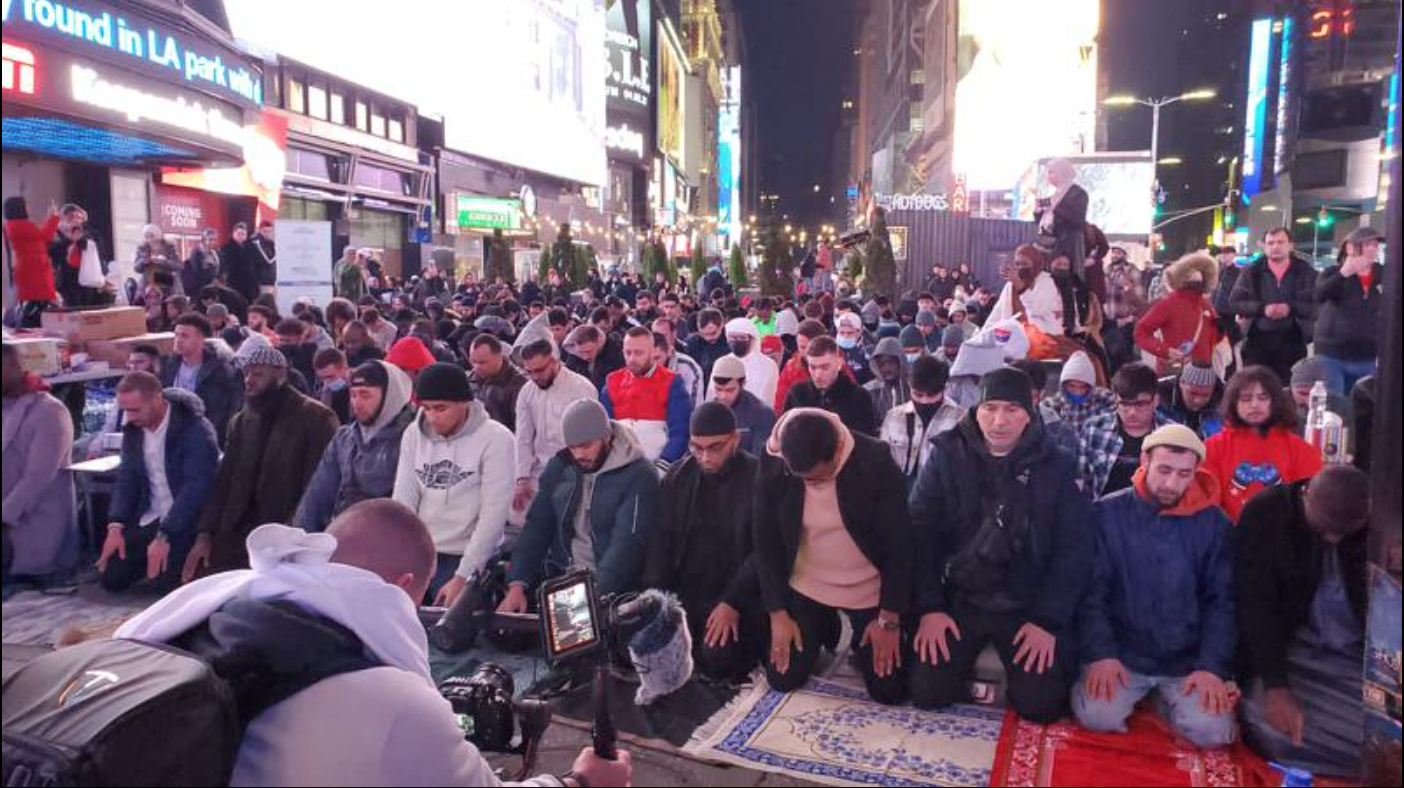
With CAIR’s lawsuit now headed into federal court, Texas is testing the boundaries of state power and national security policy—areas many Americans feel have failed them for decades. With what many describe as an unprecedented level of foreign entry through the southern border, the issue is now taking center stage around a difficult but unavoidable question:
Can a truly multicultural society function without fracturing along cultural, ideological, and security lines?