Table of Contents
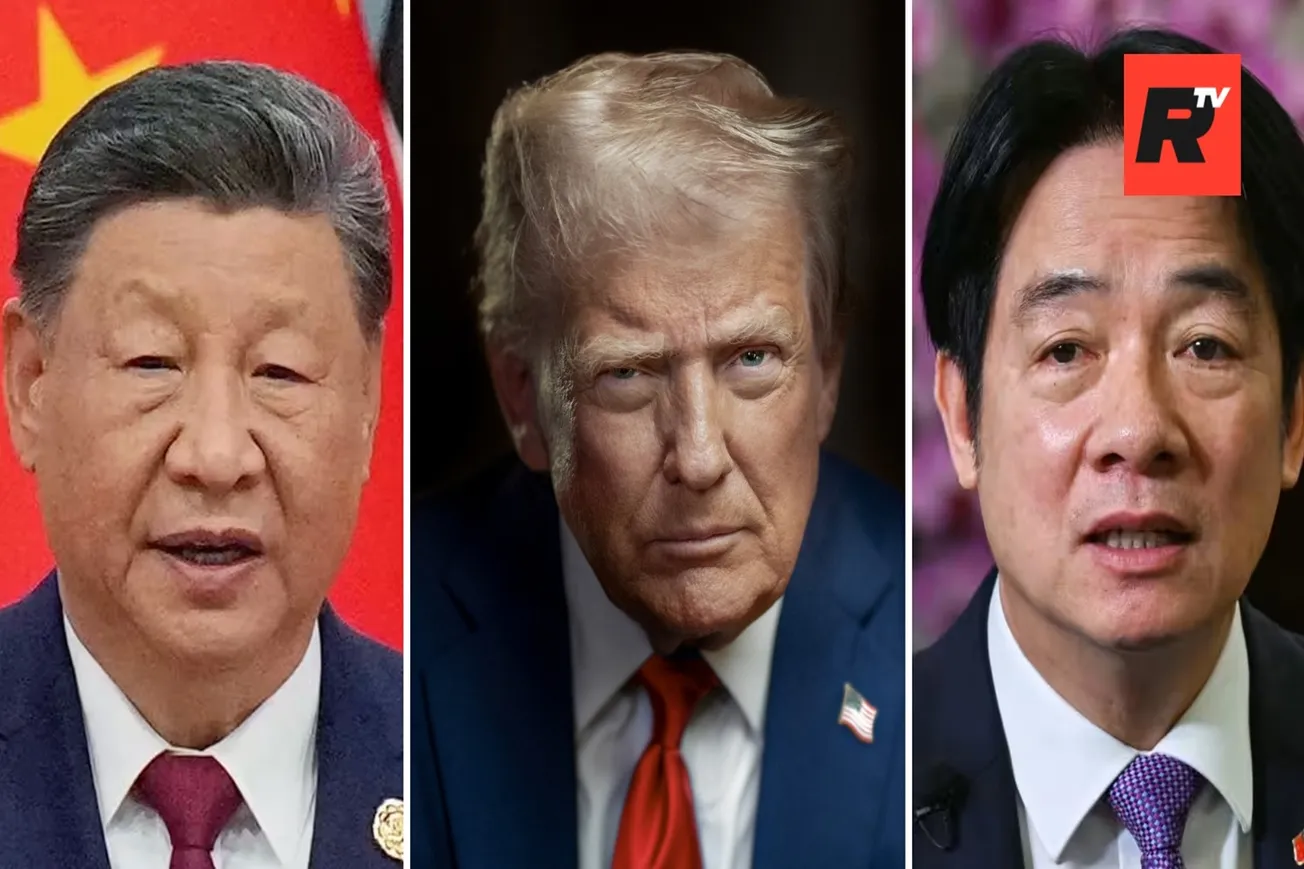
The Trump administration just dropped a bombshell on Beijing by greenlighting the largest U.S. arms package ever to Taiwan—$11.1 billion worth of precision firepower designed to make any Chinese invasion a nightmare. '
This isn't charity; it's a stark message that America stands firm with the democratic island against communist aggression.
The State Department notified Congress on Wednesday of eight separate sales totaling up to $11.1 billion.
Key items include 82 High Mobility Artillery Rocket Systems with 420 Army Tactical Missile Systems valued at more than $4 billion, 60 M109A7 self-propelled howitzers worth over $4 billion, advanced military software exceeding $1 billion, Javelin and TOW anti-tank missiles over $700 million, loitering munition drones, helicopter spare parts, and Harpoon missile refurbishment kits.
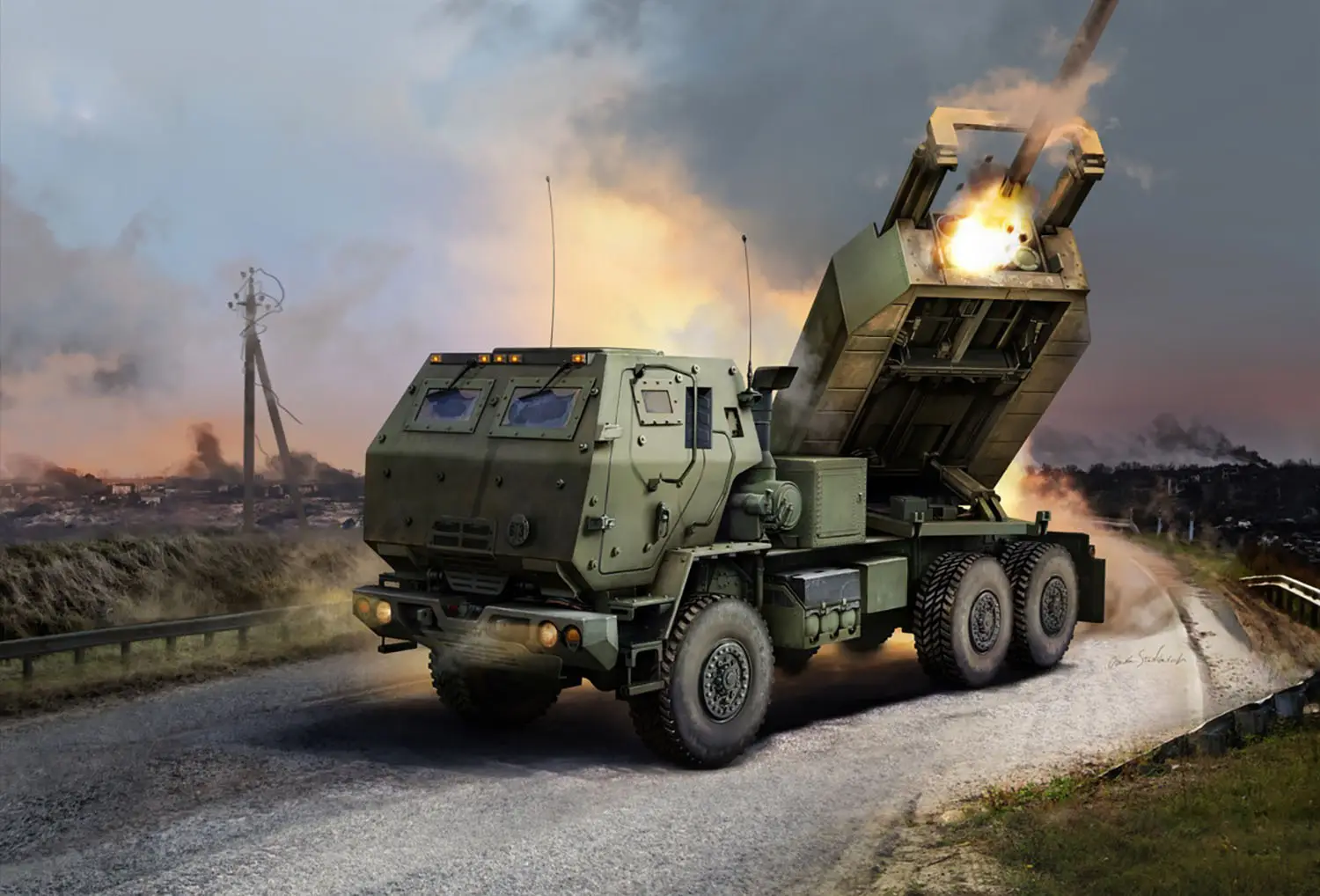
Taiwan's Defense Ministry welcomed the package in a statement: "The United States… continues to assist Taiwan in maintaining sufficient self-defense capabilities and in rapidly building strong deterrence and leveraging asymmetric warfare advantages, which form the foundation for maintaining regional peace and stability."
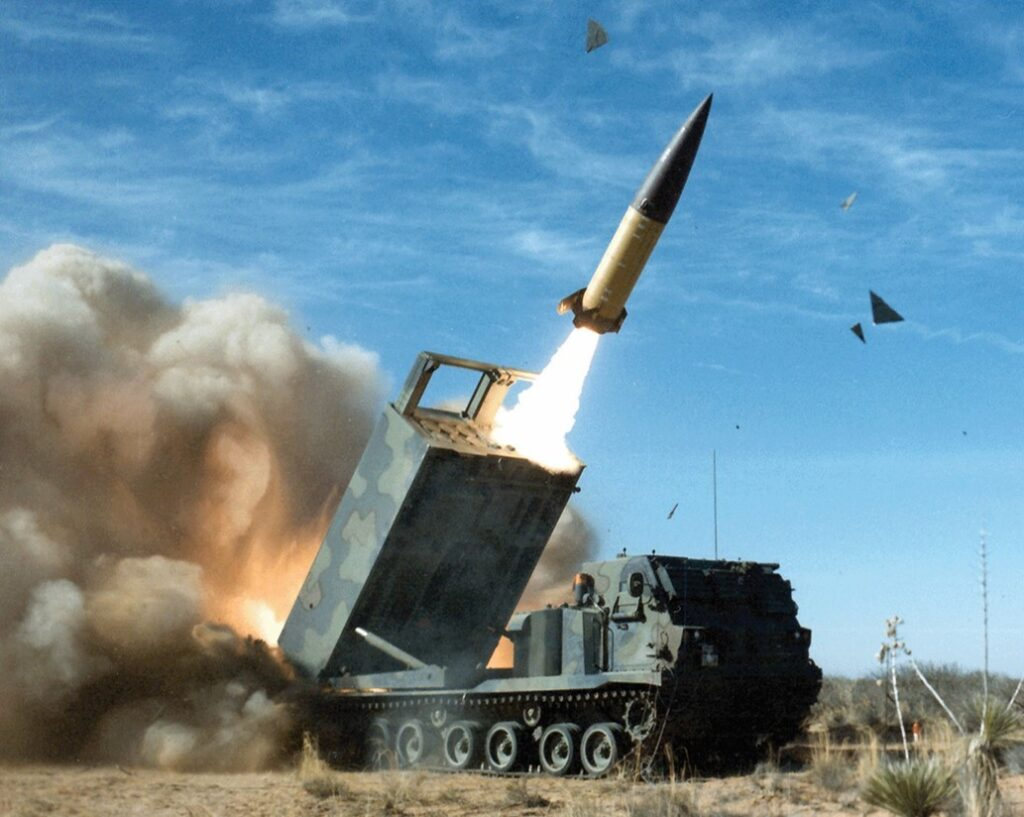
Five major components—HIMARS, missiles, and drones—will draw from President Lai Ching-te's proposed $40 billion special defense budget announced last month, though that multi-year plan awaits legislative approval.
Beijing reacted with fury.
"The US’s attempt to use force to support Taiwan independence will only backfire, and its attempt to contain China by using Taiwan will absolutely not succeed," Chinese Foreign Ministry spokesperson Guo Jiakun declared at a briefing.

Raymond Greene, director of the American Institute in Taiwan, expressed confidence in bipartisan support, noting, "Every budget issue has to go through the legislative process, but I remain very confident that at the end of the day, that all the parties in Taiwan will come together on behalf of increased defense spending, because I think there is a shared sense of the needs given the regional security environment, the threats Taiwan faces."
This marks the second arms notification in Trump's second term, following a $330 million aircraft parts deal in November.
It dwarfs the $8.4 billion total under the Biden administration and approaches half the $18.3 billion sold during Trump's first term.
Taiwan has faced near-daily Chinese military incursions and large-scale drills simulating blockades.
President Lai has pledged to raise defense spending above 3 percent of GDP next year, targeting 5 percent by 2030.
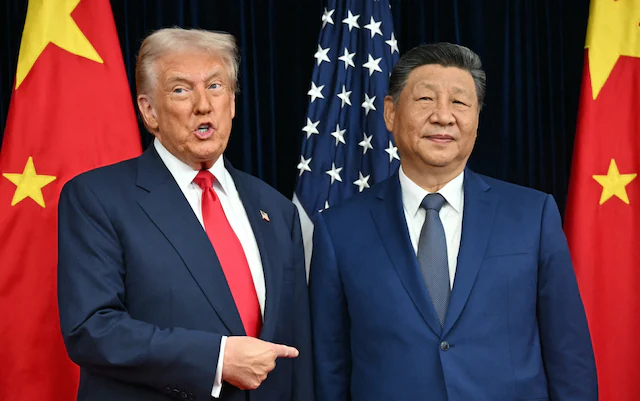
As trade tensions ease between Washington and Beijing, military support for Taiwan surges, underscoring a clear divide between economic deals and strategic deterrence in the Taiwan Strait.
Congress is expected to approve the sales swiftly amid strong bipartisan backing.