Table of Contents
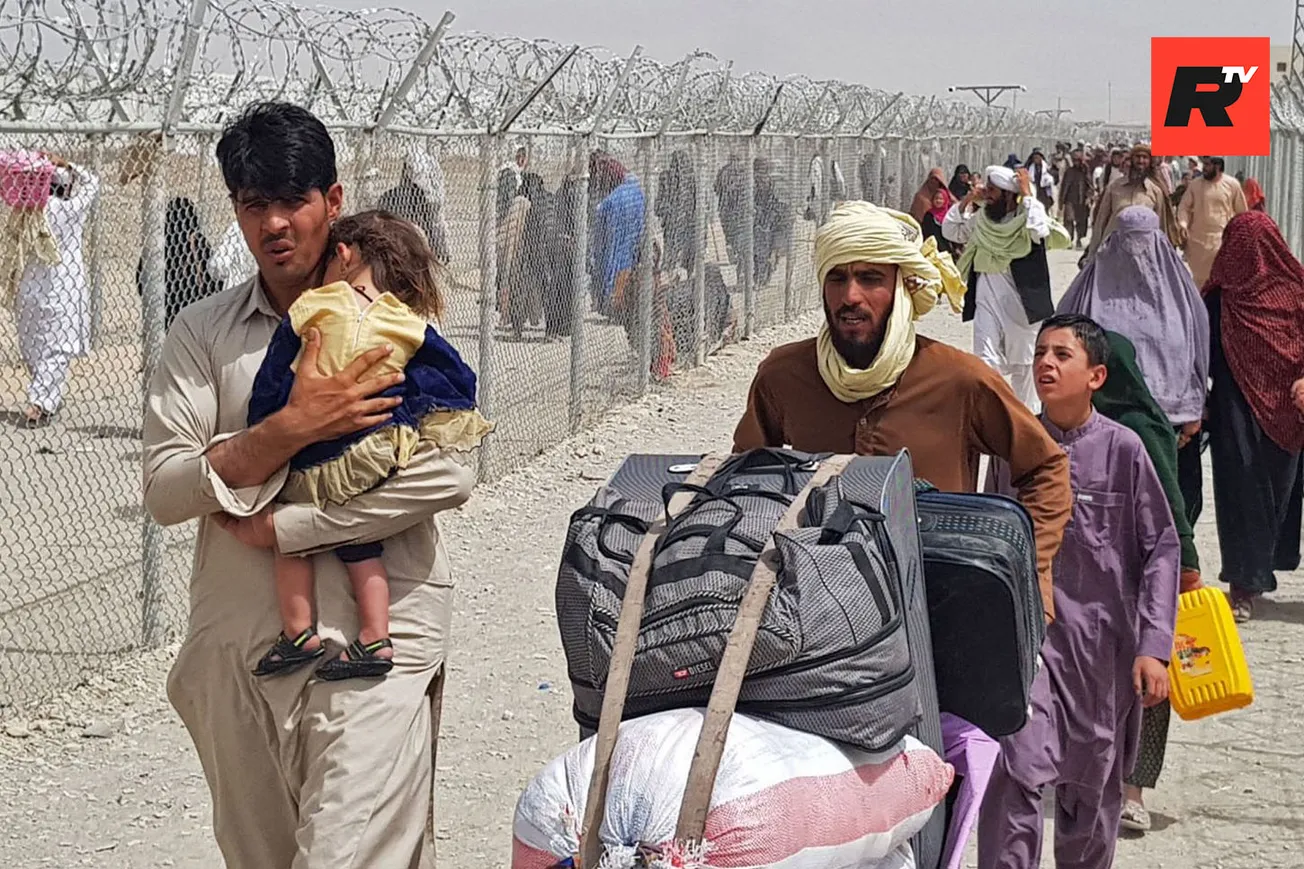
The recent series of unsettling events tied to the 2021 Operation Allies Welcome should prompt scrutiny over whether foreign powers are partnering to quietly lay the groundwork for a destabilization campaign inside the United States. Two Afghan nationals admitted under Operation Allies Welcome were arrested in incidents that exposed deep vulnerabilities in America's post-Afghan withdrawal vetting process as well as the withdrawal operation itself.
Rahmanullah Lakanwal was charged with first-degree murder after allegedly shooting and killing two National Guard members near the White House. The other, Mohammad Dawood Alokozay, was taken into custody in Texas after posting a TikTok video in which he appeared to build an explosive device and threaten an attack in the Fort Worth area.
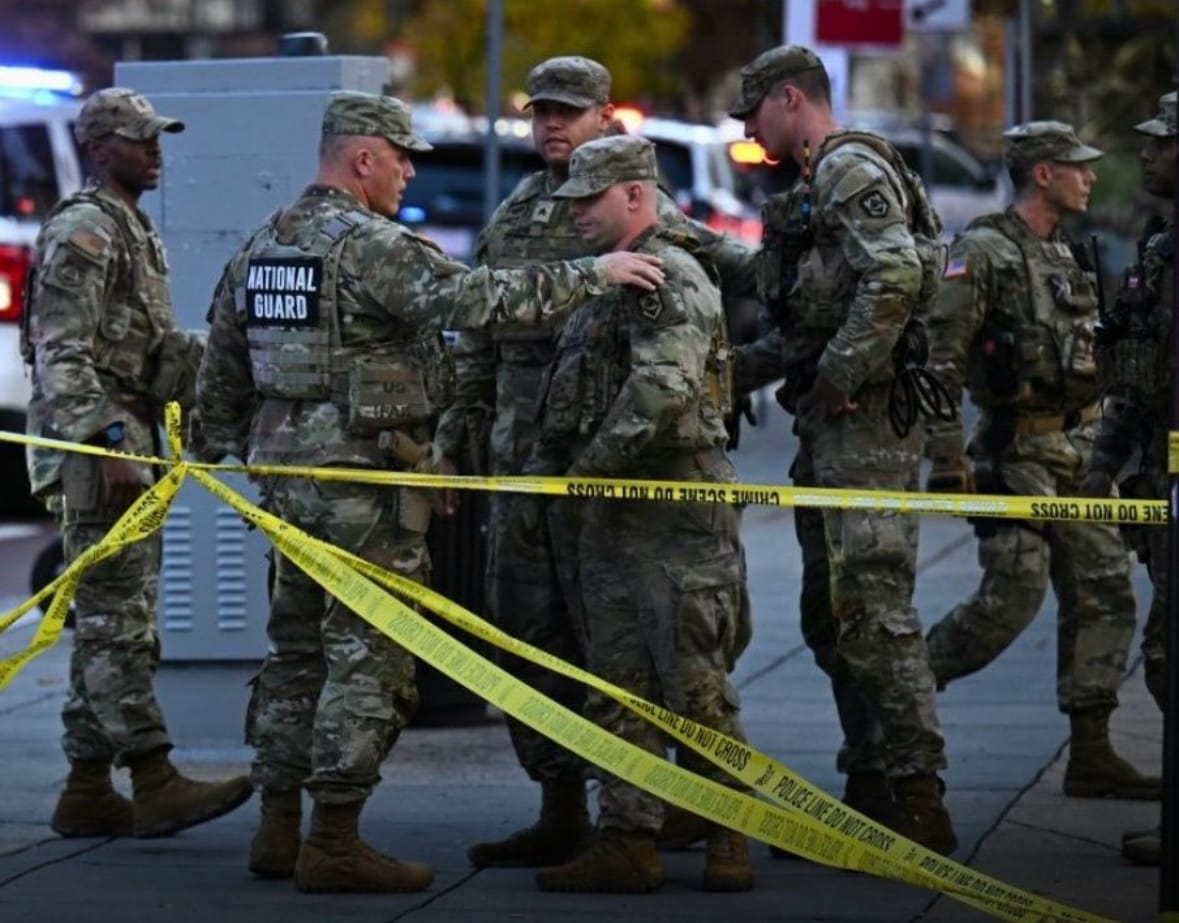
Although contested within agencies, some U.S. officials have acknowledged that thousands of evacuees were allowed into the country with virtually no background checks. At a press conference regarding the D.C. shooting, FBI Director Kash Patel stated, “When the prior administration made the decision to allow thousands of people in without doing a single piece of background checking in your vetting, that's how you miss every single sign.”
These cases become more ominous when viewed in the context of the geopolitical shifts that followed the U.S. exit from Afghanistan in 2021.
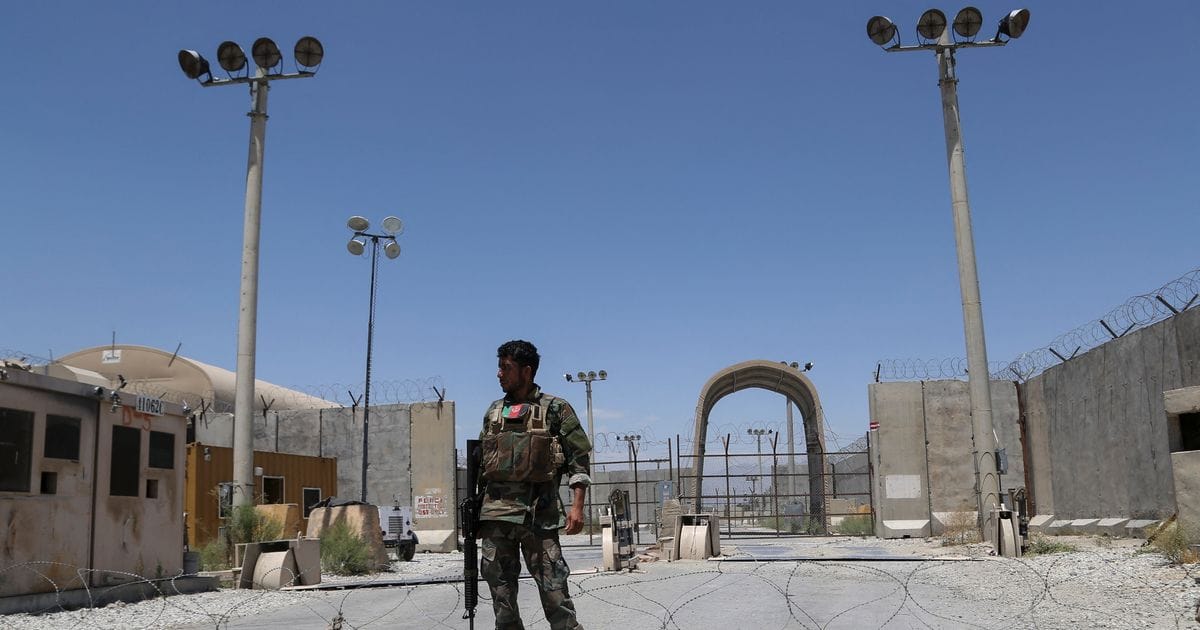
The day after the U.S. withdrawal from Afghanistan, China began moving aggressively to fill the vacuum. On September 2, 2021, a plane carrying 150 Chinese nationals landed at Bagram Airfield—once the epicenter of U.S. military operations. The visits became routine. By early 2024, Beijing had fully formalized relations with the Taliban, with President Xi Jinping publicly accepting the Taliban ambassador’s credentials in the Great Hall of the People. China installed its own ambassador in Kabul soon after, signaling a long-term partnership built on access, influence, and strategic opportunity.
The swift alignment has fueled warnings from many analysts, including Lieutenant General Michael Flynn, who describes an emerging “axis of resistance” composed of Communist and Islamist currents that share a common goal: diminishing American power.
“There is an international component to this. I call it the axis of resistance. The axis of resistance essentially consists of communists—not only those emanating from CCP control, but also communists inside our country,” Flynn said regarding the recent attacks.
The current domestic landscape alarmingly reflects these global shifts. In 2023, more than 24,000 Chinese nationals crossed the Darién Gap, a notoriously dangerous jungle corridor rarely used in such numbers by citizens of a surveillance-state nation. During this time, an unprecedented number of Special Interest Aliens (SIA) from Islamic states also illegally crossed the U.S. border.
This surge occurred while the FBI uncovered Chinese police stations operating covertly in American cities and identified multiple Chinese-linked espionage sites across the country. Surveillance balloons traversed U.S. airspace, and China’s ownership of American farmland continued to climb, reaching hundreds of thousands of acres. Beijing’s economic maneuvers through the BRICS coalition have further stoked concerns that China is deliberately positioning itself to undermine the U.S. dollar and reorient global financial power.
Adding to these revelations, non-citizen Chinese nationals have been permitted to hold U.S. government advisory positions. These developments—spanning migration, espionage, land ownership, economic strategy, and political influence—appear disparate at first glance, yet they form a pattern consistent with long-term hybrid warfare.
The concept of a color revolution typically conjures images of mass protests and regime change. While we've undoubtedly seen mass protest and riots—financially backed by nefarious actors and NGOs—were we ignorant or negligent in catching it in its early stages, when a color revolution is far more subtle? Destabilization begins quietly: eroding trust in institutions, overwhelming governance systems, exploiting social fractures, and inserting foreign networks into the seams of the homeland. It is this slow, distributed form of disruption that has been underway far too long.
China's strategic incentives are obvious: weakening a rival superpower, challenging the dollar’s dominance, and gaining leverage both economically and territorially. Islamist factions have their own motivations—expanding influence, projecting power abroad, and retaliating after decades of conflict with the United States. It appears that there is a coordinated effort between the two to create pressures that collectively strain American stability.
The United States now faces a pressing question: whether its institutions can recognize and counter a new kind of foreign influence—one that operates not through armies or missiles, but through networks, infiltration, and the quiet erosion of national resilience.