Table of Contents
A highly classified U.S. government document known as the "Overmatch Brief" concludes that China would defeat the United States in a war over Taiwan, citing Beijing’s ability to mass-produce cheaper weapons in overwhelming numbers against America’s reliance on expensive, complex systems.
The New York Times first reported the existence of the brief, which has circulated among senior national security officials.
One Biden-era official who read it turned pale, telling associates that China had "redundancy after redundancy" for "every trick we had up our sleeve."
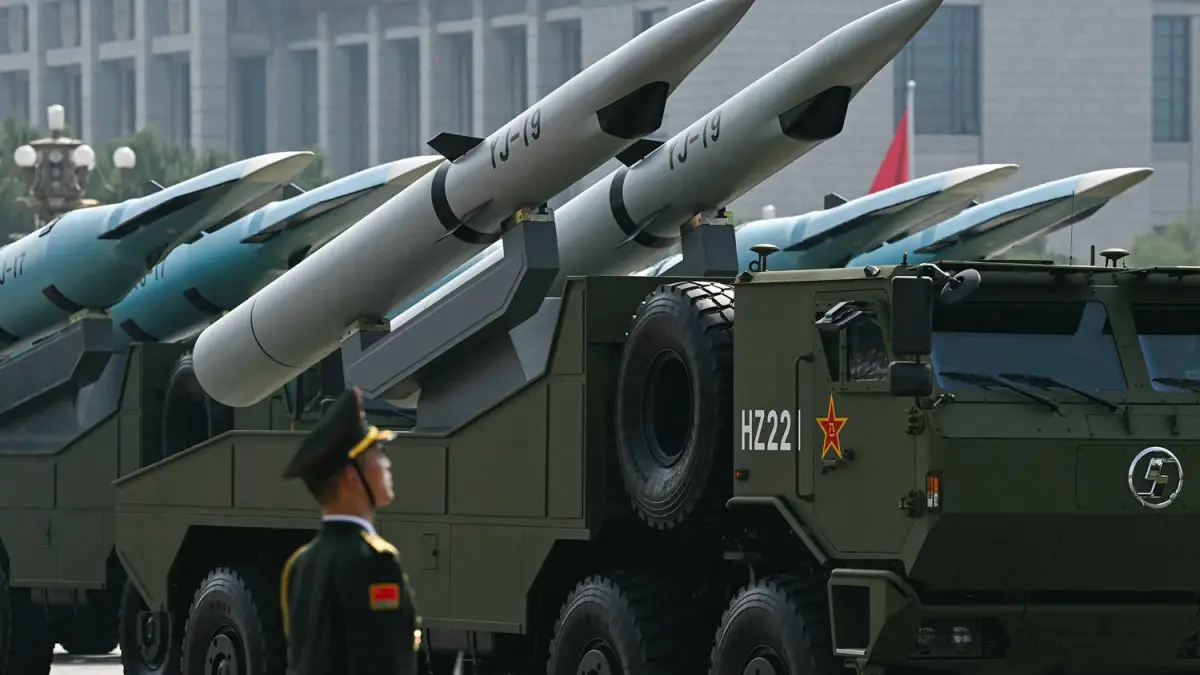
In repeated wargames outlined in the document, the Navy’s newest $13 billion aircraft carrier, USS Gerald R. Ford, is routinely sunk by Chinese diesel-electric submarines and hypersonic missiles.
The Pentagon has yet to field a single hypersonic weapon of its own while planning nine more Ford-class carriers.
Eric Gomez, a research fellow at the Taiwan Security Monitor who participated in separate Taiwan wargames, described the outcome in blunt terms.
"The US loses a lot of ships in the process. A lot of F-35 and other tactical aircraft in the theatre are degraded pretty rapidly too," Gomez told the Telegraph. "I think the high cost of it was really sobering when we did the after-action summaries, and we’re like, ‘Okay, like, you guys lost 100-plus fifth-generation aircraft, multiple destroyers, a couple of submarines, a couple of carriers’. It’s like, ‘oh gosh, man, that was a heavy toll’."
Defense Secretary Pete Hegseth warned last year that in Pentagon wargames against China, “we lose every time," and cautioned that Chinese hypersonic missiles could destroy U.S. aircraft carriers "in minutes."
China now possesses roughly 600 hypersonic missiles and has expanded its overall missile arsenal far beyond U.S. inventories in most categories, according to internal Pentagon assessments.
Former national security adviser Jake Sullivan has warned that the United States would exhaust critical munitions such as artillery shells within days of a Pacific conflict.
Defense spending stands at roughly 3.4 percent of GDP, the lowest level in about 80 years.
President Trump has maintained strategic ambiguity on whether U.S. forces would directly defend Taiwan but has complained about the cost.
"I think Taiwan should pay us for defense. You know, we’re no different than an insurance company. Taiwan doesn’t give us anything," Trump told Bloomberg last year.
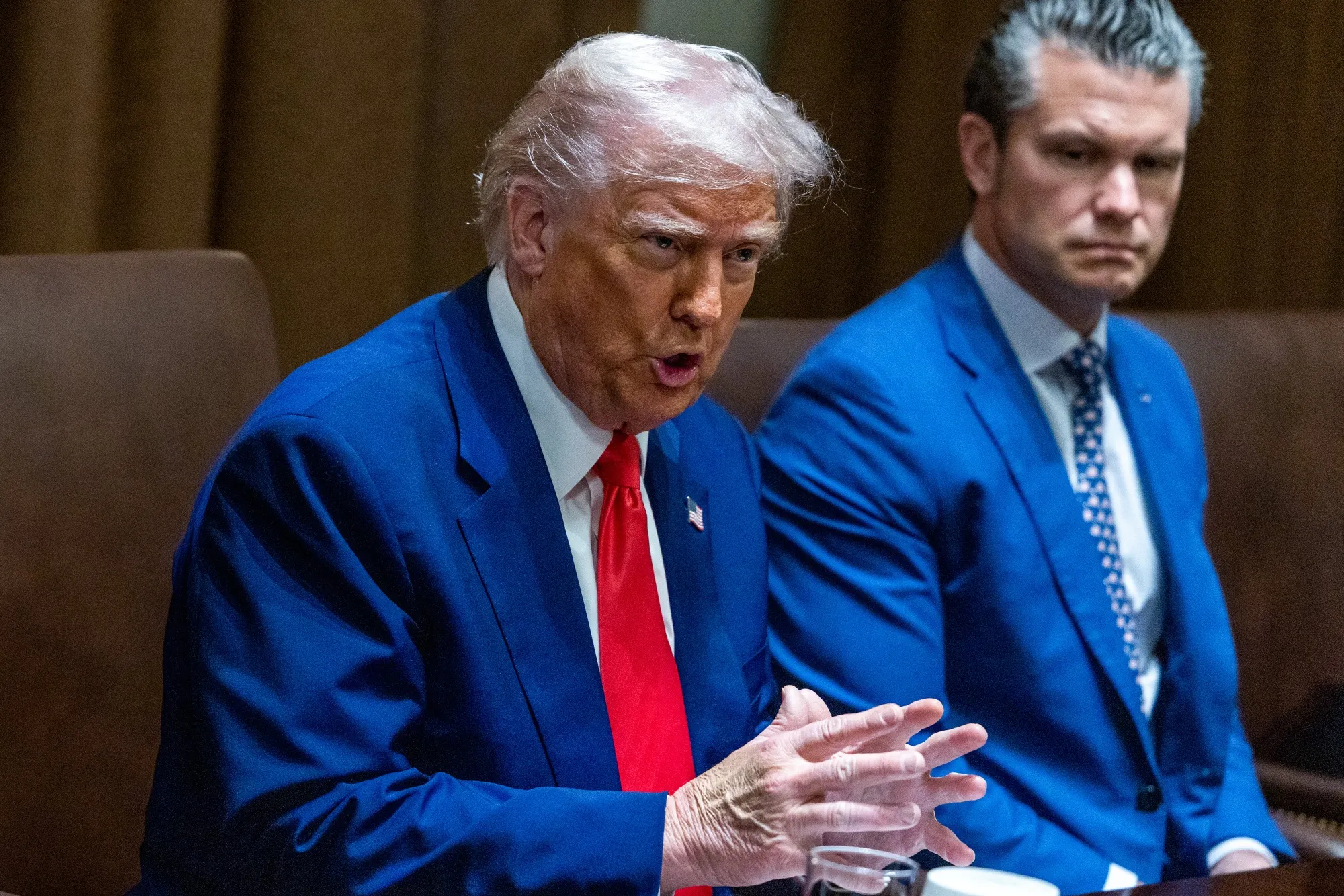
He added that Taiwan’s proximity to China gave Beijing "a slight advantage" and called the island "the apple of President Xi’s eye."
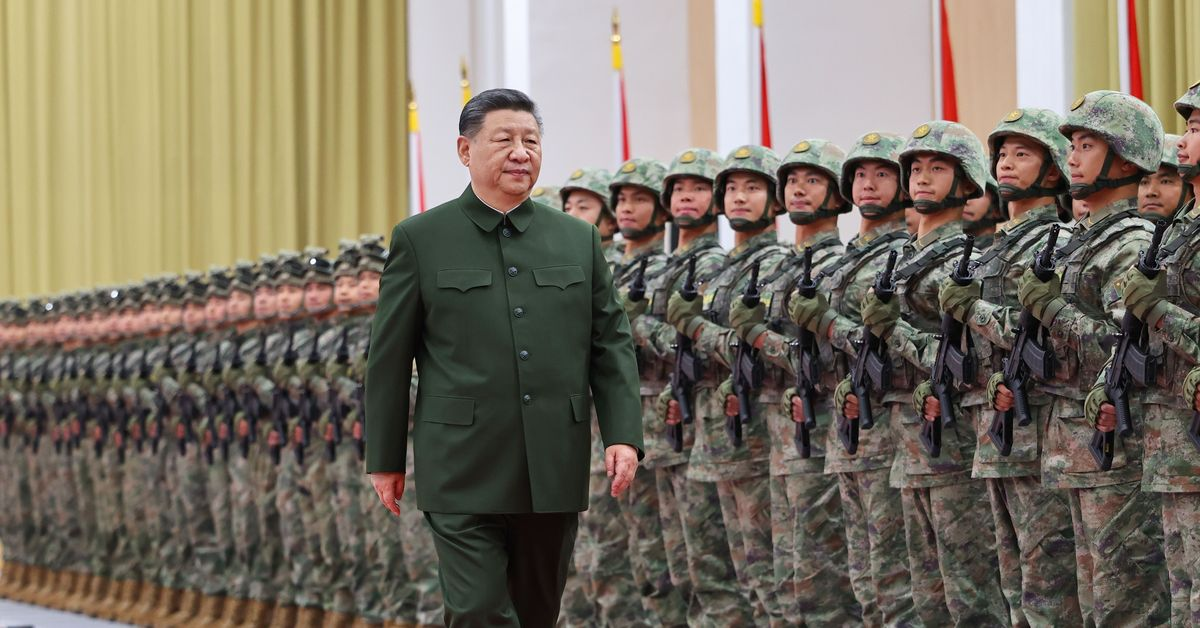
Chinese leader Xi Jinping has described reunification with Taiwan as an “historical inevitability” and ordered the People’s Liberation Army to be ready by 2027.
The classified brief warns that the U.S. military no longer holds the overmatch it once did, a reality that could embolden Beijing.