
Table of Contents
California lawmakers are advancing a bill that supporters describe as a basic safety measure and that critics have nicknamed the “Stop Nick Shirley Act.” The fight over Assembly Bill 2624 has essentially become a proxy battle over a larger question: when public money pours into programs serving immigrant communities and enclaves, who gets to watch where it goes?
What the Bill Actually Does
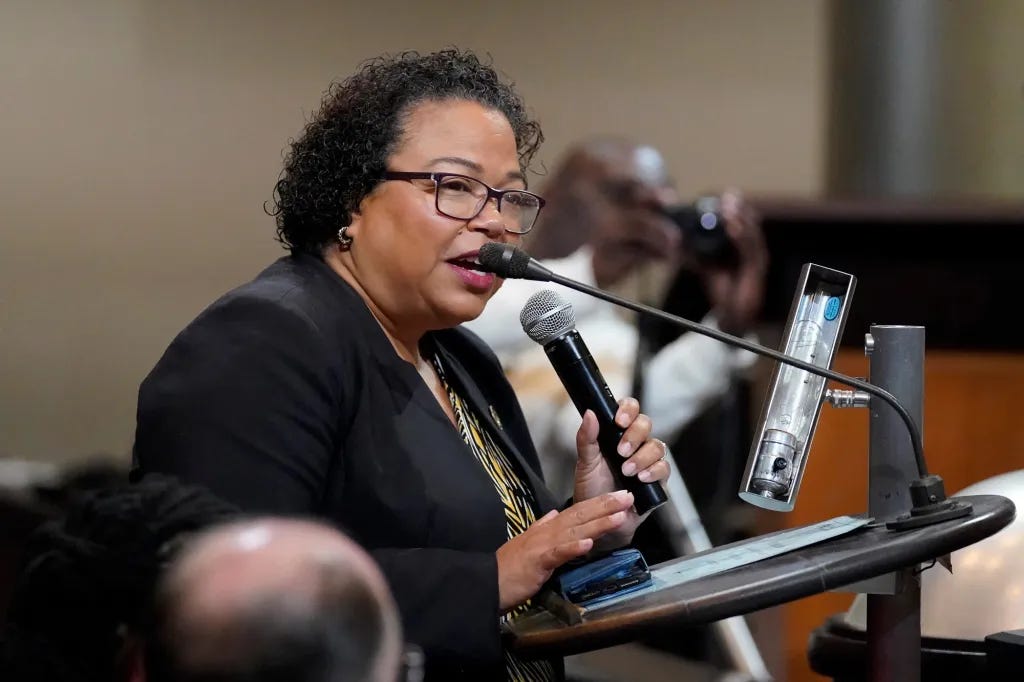
AB 2624 was introduced in February 2026 by Assemblymember Mia Bonta (D-Oakland). It extends California’s existing “Safe at Home” address confidentiality program, originally built for domestic violence survivors and later expanded to reproductive and gender-affirming health care workers, to a new category the bill calls “designated immigration support services providers,” along with their employees and volunteers.
In practice, the measure does several things. Eligible workers who can document threats, harassment, or violence tied to their roles could apply through the Secretary of State for a substitute mailing address, keeping their home, work, and school addresses out of public records and out of reach of public records requests. The bill also prohibits knowingly posting, sharing, selling, or trading a covered worker’s personal information or image online when it is done with intent to incite violence, threaten harm, or facilitate a violent crime. Reporting on the measure indicates violations could carry penalties reaching $10,000 per incident, along with civil actions that can force the removal of offending content.
Notably, the bill does not flatly ban filming outside these facilities or in public. Instead, it builds a legal and financial framework around the publication of identifying material, and that distinction sits at the heart of the controversy.
Why They Call It the “Stop Nick Shirley Act”
The nickname “Stop Nick Shirley Act” comes from Assemblymember Carl DeMaio (R-San Diego), who has emerged as the bill’s loudest opponent. During a floor debate, DeMaio read aloud from the text; a provision restricting the posting of a provider’s image and then walked through a pointed hypothetical: an independent reporter showing up with a camera at a daycare or a hospice, documenting empty rooms and absent clients, and then posting the footage, only to face liability once an operator hands over a business card and triggers the bill’s protections.
“This is something we should promote. We should want an extra set of eyes,” DeMaio told colleagues, urging them to reject the measure on First Amendment grounds. He has argued repeatedly that the bill is designed less to protect workers from violence than to insulate taxpayer-funded organizations from public scrutiny.
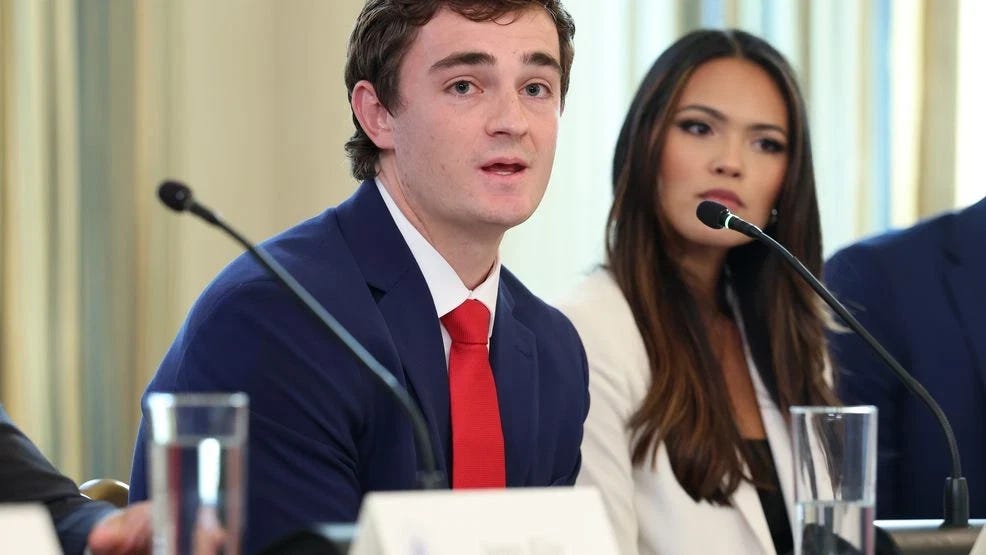
The timing itself fuels suspicion which is that the legislation arrived in the weeks following a string of viral investigations by independent journalist Nick Shirley, and opponents contend the bill reads as a direct response to his work rather than to any broad pattern of documented attacks.
What Lit the Fuse
Shirley built a national audience in late 2025 with door-to-door footage at taxpayer-funded daycare centers in Minnesota, many of them Somali-run, where he questioned whether children were actually present at facilities collecting public subsidies. His video tied into Minnesota’s sprawling fraud problem, anchored by the Feeding Our Future scandal that federal prosecutors have called the largest pandemic-era fraud case in the country, with charges against roughly 80 to 90 defendants and dozens of convictions.
The reporting was more than provocation. One daycare featured in his footage, Future Leaders Early Learning, later saw its owner charged with wire fraud and conspiracy, and prosecutors say she booked a flight out of the country the same day she notified the state the center was closing. In April 2026, federal agents executed search warrants at roughly twenty Minnesota childcare centers, including locations that had appeared in Shirley’s video. Whatever one thinks of his methods, his cameras documented places that investigators and courts went on to treat as serious.
In March 2026, Shirley turned to California, alleging more than $170 million in suspect billings across daycare and hospice operations. His footage showed registered addresses that turned out to be vacant storefronts, dead phone lines, piles of unopened mail, and parking lots full of luxury vehicles. His findings echoed separate claims from federal health officials about clusters of “ghost” hospices in the Los Angeles area billing for patients who were healthy or nonexistent.
A Family Connection Critics Will Not Let Go
Opponents have also seized on a detail that complicates the optics. Mia Bonta is married to California Attorney General Rob Bonta and in the same window that her bill moved through the Assembly, the Attorney General’s office announced it had dismantled a $267 million hospice fraud ring in Southern California, charging twenty-one people with billing Medi-Cal for services never rendered.
Some see an awkward contradiction which is that the state’s top prosecutor publicly touts aggressive fraud enforcement, while legislation carried by his spouse could make it costlier and riskier for private citizens to document the very same kind of abuse in immigrant-serving programs. Supporters call that guilt by association and note the bill applies regardless of who authored it. Either way, the connection has handed opponents a durable talking point.
The Case for the Bill
Bonta and her allies, including the Legislative Latino Caucus, frame the measure narrowly, they argue that people working in immigrant services have been followed home, doxxed, and sent death threats amid a heated national climate, and that they deserve the same baseline protections already extended to abuse survivors and health care workers. A Bonta spokesman has stated plainly that the bill “is not intended to impede journalism” and that the office is committed to making that clear in the language.
Supporters also stress the intent requirement and as written, they say, the online-posting prohibition reaches material shared to incite violence or facilitate harm, not legitimate documentation of how public funds are spent. By that reading alone, a reporter filming an empty facility and asking hard questions is not the target; someone publishing a worker’s home address to invite a mob is.
The Free Speech Problem
The trouble that some opponents see, is that “intent” is slippery, and the people who decide whether to send a takedown demand or file a civil claim are the very organizations under examination. Even if a journalist would ultimately prevail in court, the threat of a $10,000 penalty and a forced-removal lawsuit can be enough to discourage the reporting in the first place. That is the textbook definition of a chilling effect, and it falls hardest on independent journalists and ordinary citizens who lack newsroom lawyers.
There is also a type of asymmetry that critics highlight. California has moved to restrict and unmask federal immigration enforcement officers in recent years, even as it now proposes to cloak the identities of workers in immigrant-serving programs. Whatever the merits of each policy, the contrast invites the charge that the state is choosing who the transparency applies to.
Where Things Stand
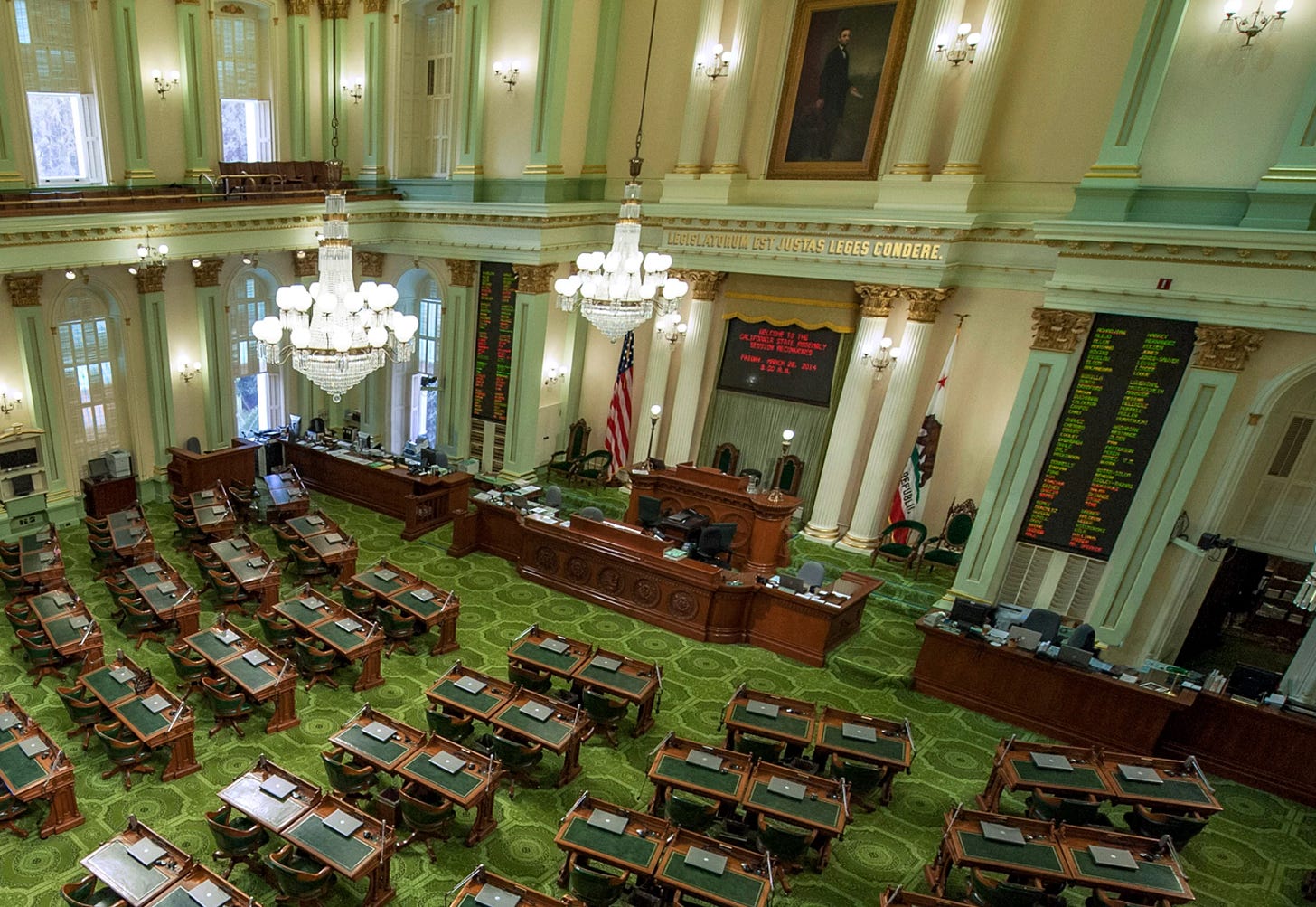
AB 2624 passed the California Assembly on a 57-19 vote around May 27, 2026, and moved to the state Senate. As of May 31, 2026, it is not law and it would need to clear the Senate and earn Governor Gavin Newsom’s signature, and even then, it would carry a delayed effective date, with implementation not expected before 2027. Nothing in the bill is in force today, and its ultimate reach will depend heavily on how courts interpret the intent standard if it is enacted.
What It Looks Like
Strip away the careful language about safety, and AB 2624 looks like government overreach dressed up as victim protection. This measure didn’t just appear in a vacuum and for no reason. It surfaced precisely as a citizen journalist embarrassed two Democratic strongholds by filming empty daycares and ghost hospices that were quietly draining hundreds of millions in public money, money that belongs to taxpayers, not to the operators living large on it.
A confidentiality program for someone genuinely being stalked is defensible, but a new layer of fines and takedown lawsuits aimed at the people documenting fraud is not. The “intent” requirement is not a safeguard but is in fact a loophole, because the accused organization gets to fire the first legal shot and let the cost of a lawsuit do the silencing. Honest programs with nothing to hide do not need a statute to keep cameras away, fraudulent ones do.
Americans across the political spectrum should be able to agree on a simple principle: if our tax dollars fund a facility, the public has the right to walk up to it, look at it, and report what they see. When the people exposing waste face more legal jeopardy than the people allegedly committing it, the priorities have essentially been inverted. Real accountability does not fear being in full view and full transparency about where public money goes is not harassment, but it is ultimately the price of spending it.
AB 2624 forces a collision between two real values: protecting individuals from genuine threats and preserving the public’s ability to scrutinize how billions in tax dollars are spent. Supporters insist the bill threads that needle and critics are convinced it does not. Until the Senate acts and, if it passes, until courts test the language, the safest conclusion is the one both sides should accept: a democracy that funds something with public money owes the public a clear, unobstructed view of it.