Table of Contents
The tense standoff in the Middle East appears to have de-escalated, at least for now.
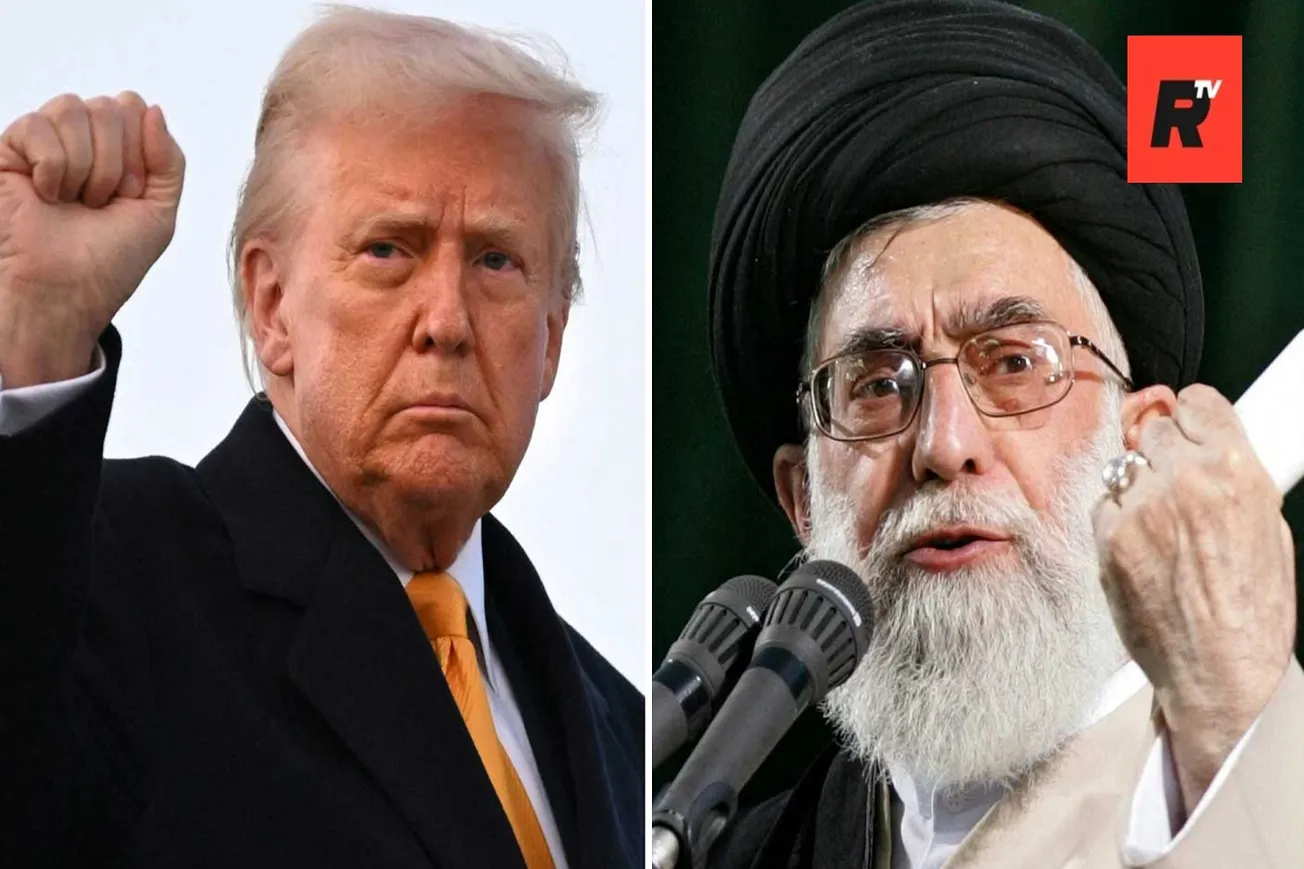
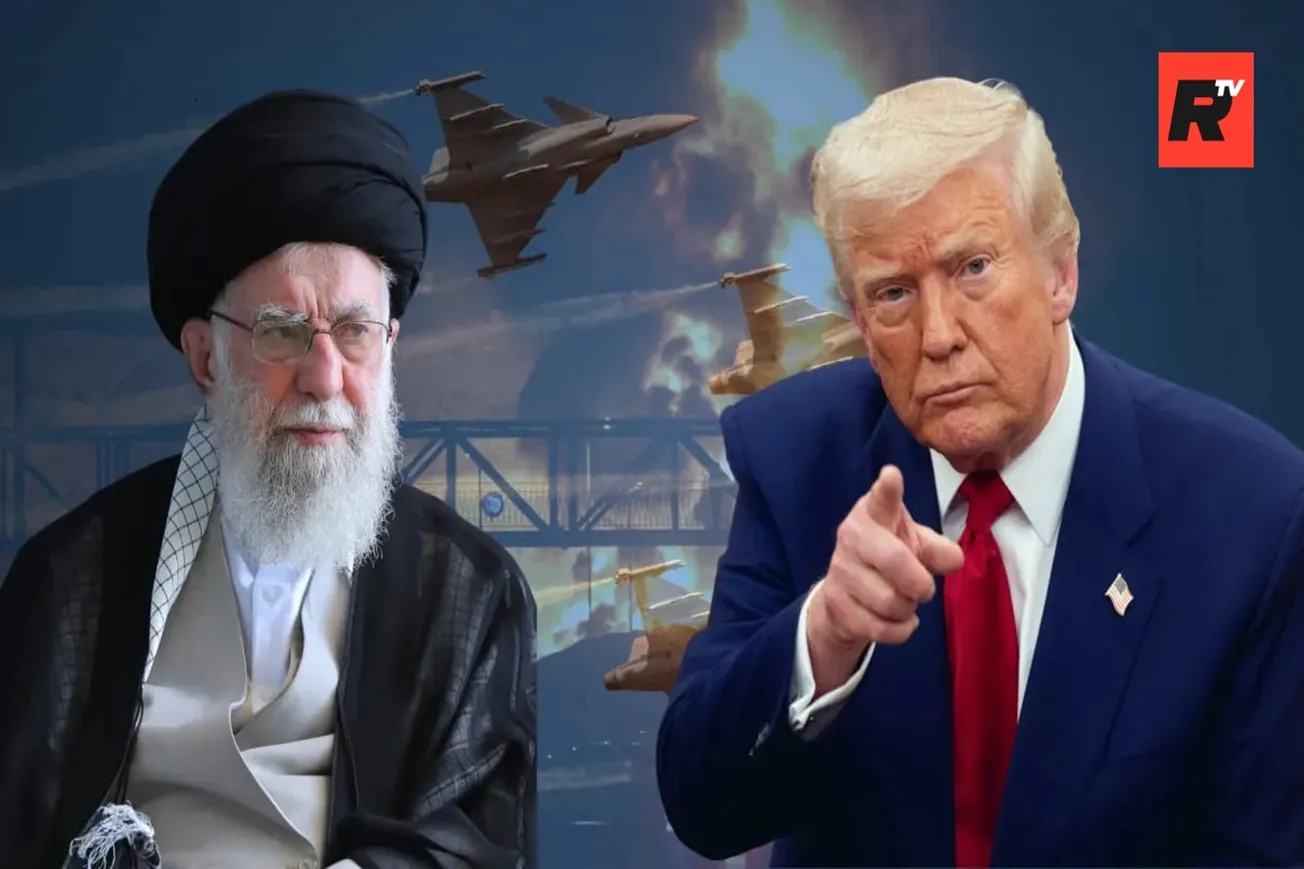
President Donald Trump says he has held off on military strikes against Iran after the regime reportedly canceled plans to executing hundreds of detained protesters.
This comes amid a brutal crackdown on nationwide demonstrations that have left thousands dead and Iran's streets eerily quiet.
Trump indicated Friday that the cancellation of more than 800 scheduled executions in Iran influenced his decision to delay potential U.S. military action against the Islamic Republic.
Speaking to reporters, Trump said no one from Arab or Israeli officials convinced him to refrain from striking Iran.
Reporter asked: Did Arab and Israeli officials convince you to not strike Iran? U.S. President Donald Trump: "Nobody convinced me - I convinced myself. You had, yesterday, scheduled, over 800 hangings. They didn't hang anyone. They cancelled the hangings. That had a big impact" https://t.co/DKKO0ktNuS
— WilluChill News Network (@Wglogan2022) January 17, 2026
"Nobody convinced me. I convinced myself," he stated, pointing to the halted hangings.
On Truth Social, Trump posted: "I greatly respect the fact that all scheduled hangings, which were to take place yesterday (Over 800 of them), have been cancelled by the leadership of Iran. Thank you!"
The comments align with remarks from White House Press Secretary Karoline Leavitt on Thursday.
"What I will say with respect to Iran is that the president and his team have communicated to the Iranian regime that if the killing continues, there will be grave consequences. And the president received a message as he revealed to all of you and the whole world yesterday that the killing and the executions will stop. And the president understands today that 800 executions that were scheduled and supposed to take place yesterday were halted," Leavitt said.
It remains unclear whether Trump referred to executions halted on one day or across multiple days, and whether military options are fully withdrawn.
The White House did not immediately respond to questions on the matter, and Iran's U.N. mission offered no comment.
The protests erupted in late December 2025 over economic hardship and escalated into direct challenges to Iran's theocratic rule.
A violent security response has suppressed demonstrations, with no major unrest reported in Tehran for days despite an ongoing internet blackout.
The U.S.-based Human Rights Activists News Agency reports more than 2,000 deaths, including children, though some estimates from other groups reach higher figures. Iran's government has not released official casualty numbers.
🇮🇷 IRAN SAYS THE UPRISING IS OVER… BUT NOBODY’S BUYING IT
— Mario Nawfal (@MarioNawfal) January 16, 2026
The streets are quiet. The regime crushed the protests, killed over 2,400 people, and shut off the internet.
They’re acting like things are back to normal. They’re not.
Trump threatened to hit back if the killing… pic.twitter.com/1NA6ahp1xH
In a stark contrast, hard-line cleric Ayatollah Ahmad Khatami, in his Friday sermon broadcast on state radio, demanded executions for detained protesters.
Some of the innocent Iranians executed in recent days by the mullahs: Siamak Rashed (54), Mahmoud Mousavi (29), Javad Ganji (39), Ali Dehghan Joughan (55), Bahram Zahedi (42), Mojtaba Ghorbani (33), Ako Mohammadi (22), Khaled Molaei, Mohammad Mohammadlou, Holakou Eivani, Bayat… pic.twitter.com/ksT0o7HbQb
— Avi Kaner ابراهيم אבי (@AviKaner) January 16, 2026
He labeled them "butlers" of Israeli Prime Minister Benjamin Netanyahu and "Trump's soldiers," warning that "Americans and Zionists should not expect peace" and that they should await "hard revenge from the system."
The sermon prompted chants of "Armed hypocrites should be put to death!"
Khatami also claimed widespread damage from the unrest, including 350 mosques, 126 prayer halls, and various emergency vehicles.
Exiled Crown Prince Reza Pahlavi, son of the ousted shah, urged continued resistance.
"I believe the president is a man of his word," he told reporters in Washington, vowing, "I will return to Iran," and calling for renewed street actions over the weekend.
168 HOURS
— Shanaka Anslem Perera ⚡ (@shanaka86) January 16, 2026
The Pentagon just told you exactly when the strike happens.
You weren’t listening.
USS Abraham Lincoln: 7 days from strike position.
USS George H.W. Bush: 10 days from the Mediterranean.
Al Udeid Air Base: Evacuating personnel.
Trump: “The killing has stopped.”… pic.twitter.com/xCApTZHdUU
The situation remains fluid. Trump appears to have bought time with his tough talk and apparent restraint, but the regime's internal rage and the human cost already paid suggest this chapter in Iran's unrest is far from over.