Table of Contents
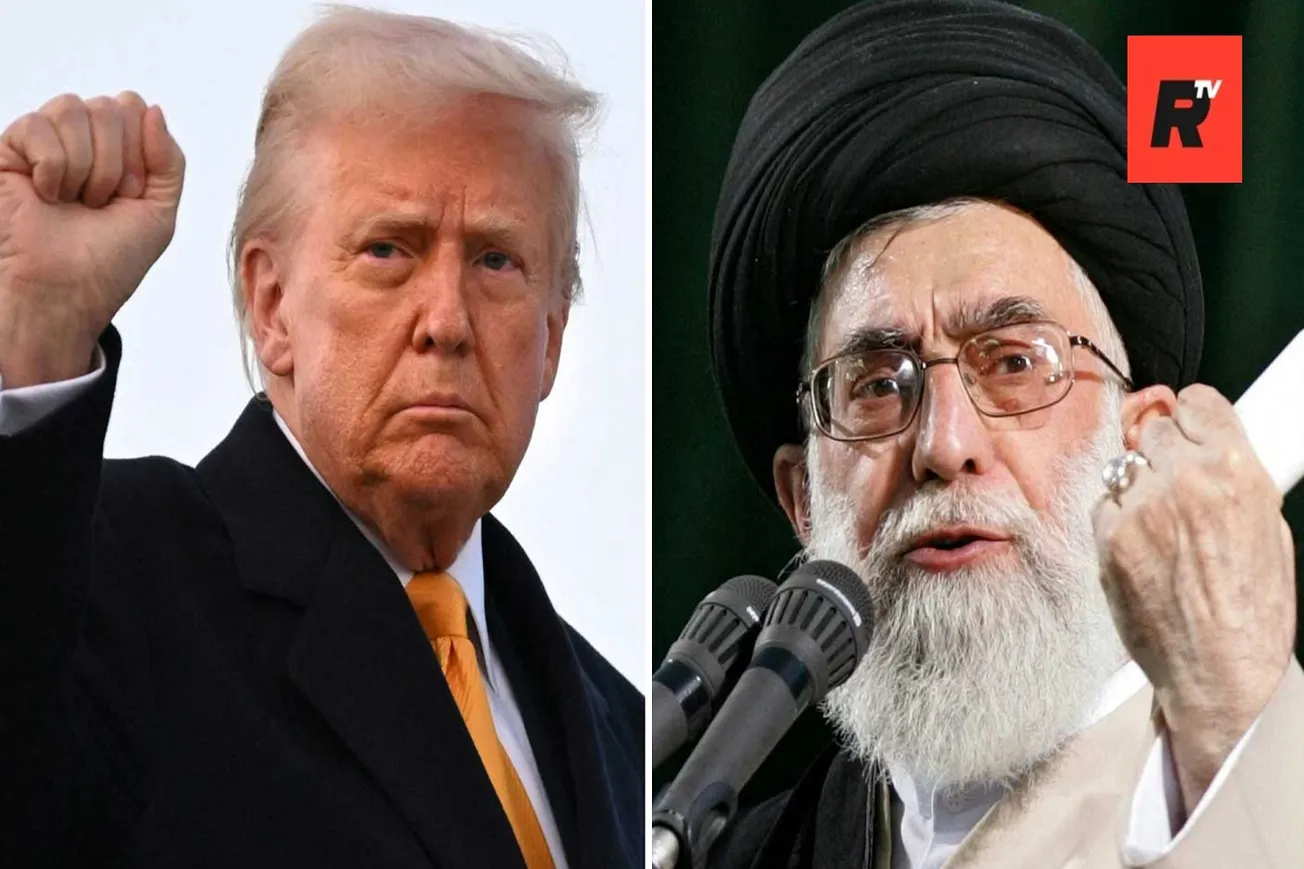
President Donald Trump continues to contemplate military action against Iran, including targeted strikes on security forces and leadership figures, to reignite crushed protests and foster conditions for regime change.
This high-stakes gamble comes as the clerical regime reels from its bloodiest crackdown since 1979, yet allies warn that bombs alone will not dislodge the mullahs, only prolonged chaos or boots on the ground might.
Trump Confirms Talks With Iran While Warning of Military Force
— Dhruv Mishra (@DhruvMishra1607) January 30, 2026
“I have had, and I am planning on it. We have a lot of very big, powerful ships sailing to Iran right now. It would be great if we didn’t have to use them.” pic.twitter.com/m3plUjfnyj
Multiple U.S. sources familiar with internal discussions told Reuters that Trump seeks to exploit the regime's post-protest weakness.
Two sources said the president aims to create conditions for regime change after authorities killed thousands in suppressing nationwide demonstrations earlier this month.
Options include strikes on commanders and institutions blamed for the violence, intended to embolden protesters to overrun government and security buildings.
Trump has not made a final decision on military action, one source and a U.S. official said.
Discussions also encompass larger strikes with lasting impact, such as those targeting ballistic missiles threatening U.S. allies or nuclear enrichment programs.
Iran views its missiles as essential deterrence against Israel and has refused restrictions.
The deployment of a U.S. aircraft carrier and supporting warships to the Middle East this week bolsters potential strike capabilities, following Trump's repeated threats over the crackdown.
Trump urged Iran on Wednesday to negotiate a nuclear deal, warning any future U.S. attack would be "far worse" than a June bombing of three nuclear sites.
He described regional U.S. ships as an "armada" sailing toward Iran.
A senior Iranian official told Reuters that Iran is "preparing itself for a military confrontation, while at the same time making use of diplomatic channels."
The official added that Washington shows no openness to diplomacy.
Iran's U.N. mission posted on X that it is ready for dialogue "based on mutual respect and interests" but will defend itself "like never before" if pushed.
A senior Israeli official with direct knowledge of U.S.-Israel planning said airstrikes alone cannot topple the Islamic Republic.
"If you're going to topple the regime, you have to put boots on the ground,” the official said, noting that even killing Supreme Leader Ayatollah Ali Khamenei would prompt a replacement.
Only combined external pressure and organized domestic opposition could alter Iran's trajectory, the official added.
U.S. intelligence reports conclude that economic conditions fueling protests persist and weaken the government, but without major fractures.
A Western source suggested Trump's aim is leadership change akin to Venezuela, where U.S. intervention replaced the president without full government overhaul.
Secretary of State Marco Rubio told a Senate hearing Wednesday that "the hope" is for a similar transition if Khamenei falls, though he acknowledged Iran's complexity.
At 86, Khamenei has reduced public appearances and shifted daily management to IRGC-aligned figures amid security concerns following prior Israeli strikes. He retains authority over war, succession and nuclear strategy.
Regional officials favor containment over collapse, fearing civil war, refugee flows, militancy and oil disruptions via the Strait of Hormuz.
Gulf states, including Saudi Arabia, have lobbied against strikes, with one Arab source stating, “The United States may pull the trigger, but it will not live with the consequences. We will.”
The mullahs cling to power through terror and repression, not popularity.
Poke the hornet's nest with precision strikes, and America risks not liberation but a wider war that engulfs allies and sends oil prices soaring.