Table of Contents
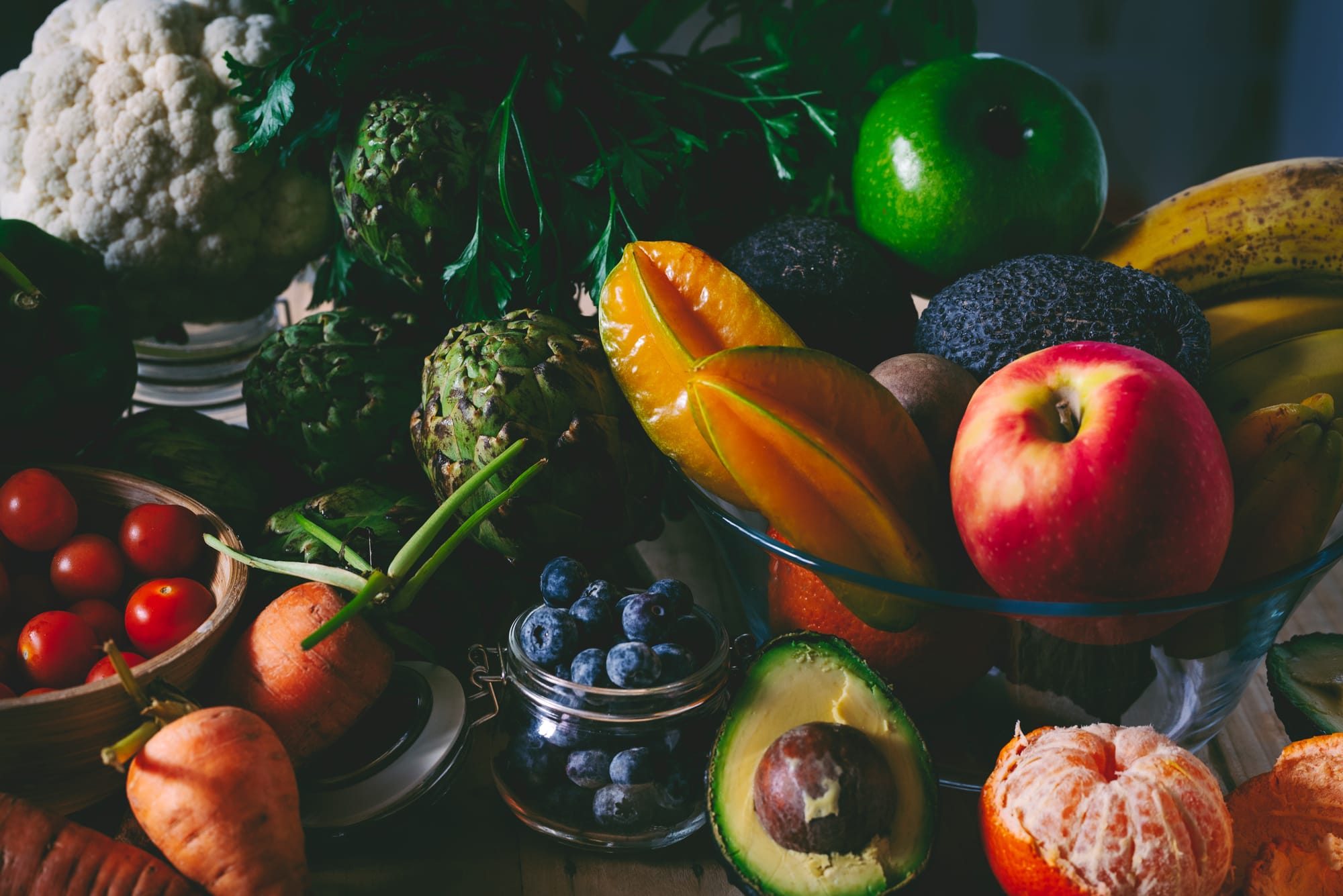
As Americans ring in the new year with resolutions and fresh starts, here's yet another wake-up call to ditch the junk carbs and load up on real fruits and vegetables.
A major study reveals that heavy consumption of ultra-processed foods dramatically elevates the risk of lung cancer, independent of smoking history or other risks.
Researchers published findings in the journal Thorax from data on more than 101,000 participants in the Prostate, Lung, Colorectal and Ovarian Cancer Screening Trial.
Over a 12-year follow-up, investigators documented 1,706 new lung cancer cases, including 1,473 non-small cell lung cancers and 233 small cell cases.
Adults in the highest quartile of ultra-processed food intake, adjusted for calories, faced a 41 percent increased lung cancer risk compared to the lowest quartile (hazard ratio 1.41).
Risks rose 37 percent for non-small cell and 44 percent for small cell subtypes.
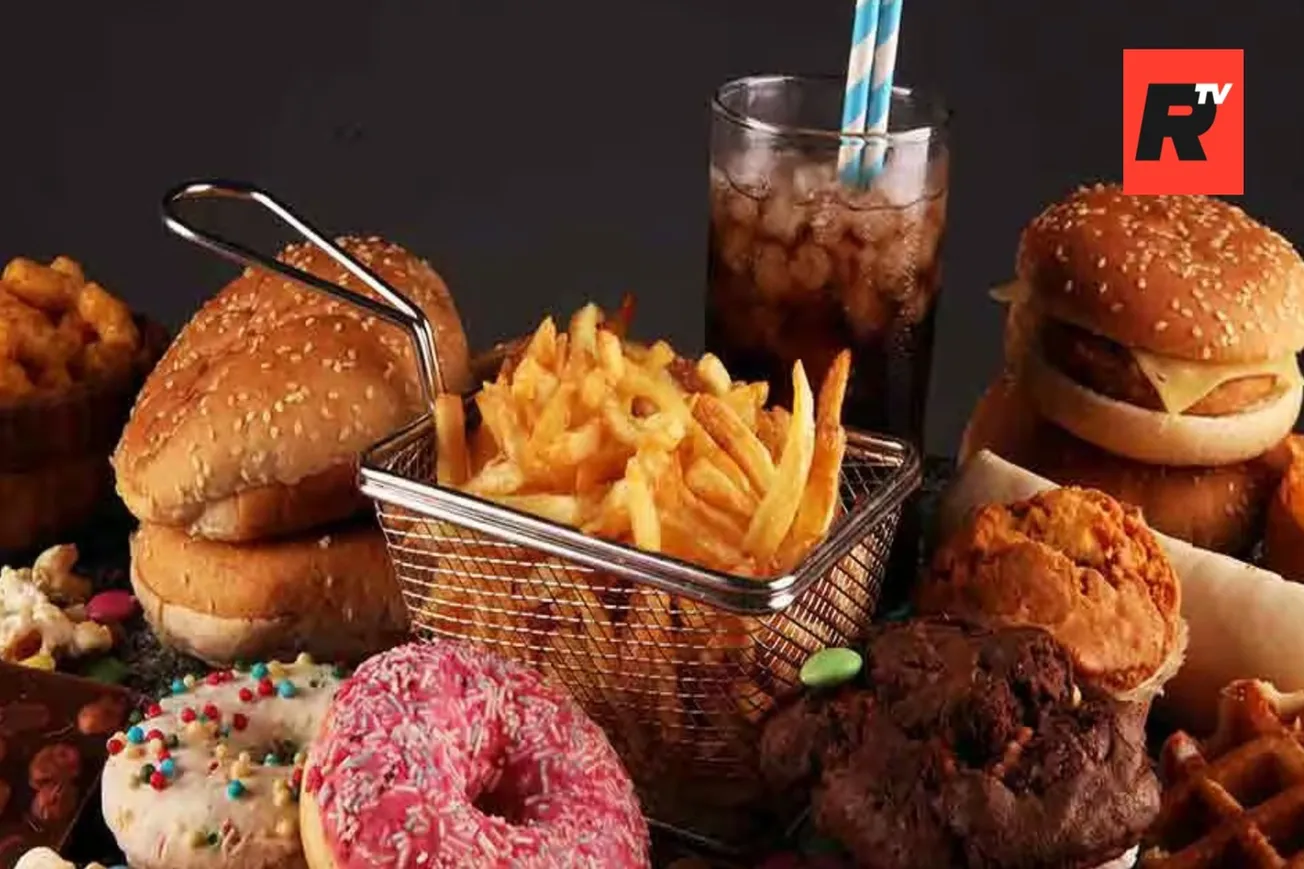
Ultra-processed foods involve heavy industrial formulation with additives like preservatives, emulsifiers and artificial flavors.
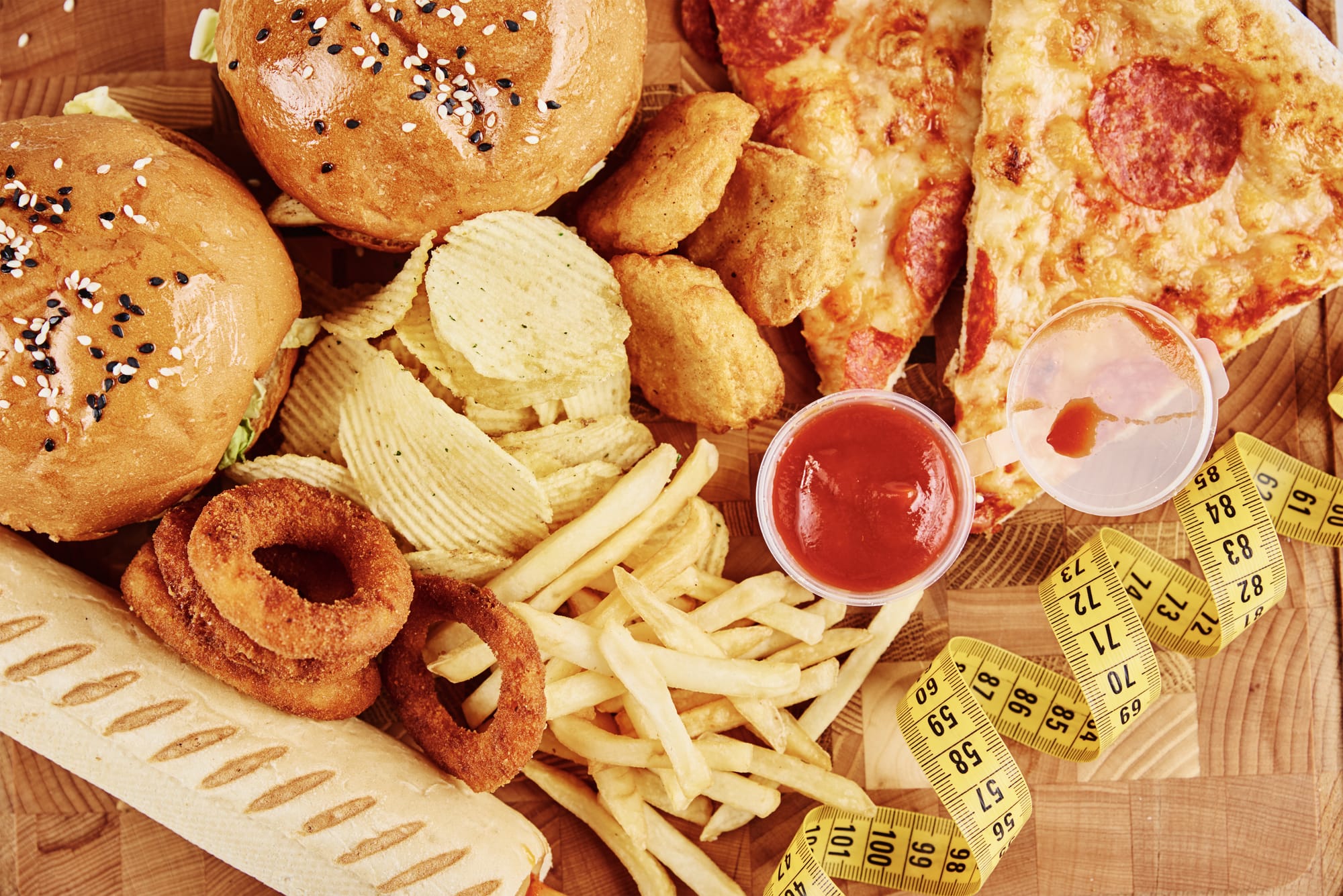
Common examples include sugar-sweetened beverages, processed meats, packaged snack cakes and pastries, instant noodles, frozen pizzas, sugary cereals, flavored dairy products, reconstituted meats, refined breads and processed cheeses.
These products dominate diets in the United States and Britain, supplying over half of daily calories for many people—around 58 percent in the U.S.Obesity fuels many health crises, including risks tied to poor diets.
U.S. adult obesity rates have tripled since the 1960s, rising from about 13 percent in 1960-1962 to roughly 40 percent in recent surveys, according to 2021-2023 data from the CDC's National Health and Nutrition Examination Survey.
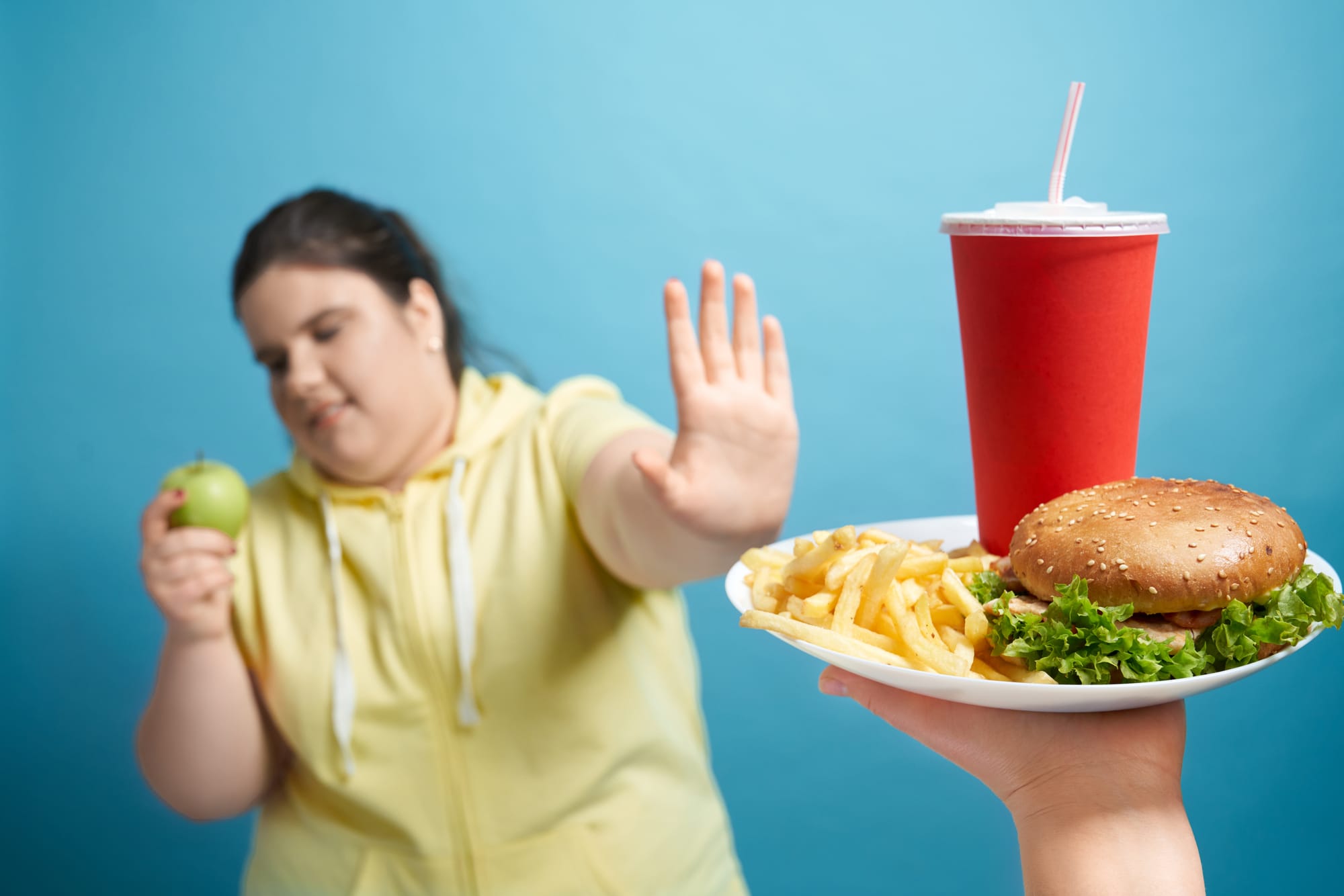
Rates climbed from 30.5 percent in 1999-2000 to over 41 percent by 2017-2020.
Globally, the U.S. ranks among the highest, far exceeding most developed nations like Japan (around 4-5 percent) or many European countries (often 20-25 percent).
"You can’t say from this study that UPFs cause cancer as it’s observational, so we’re looking at associations, not direct effects. But it does strengthen the case for looking more closely at the food environment many people are living in, where UPFs are cheap, convenient, and heavily marketed, making them a go-to for many," Rob Hobson, author of Unprocess Your Family Life, told The Independent.
"That might mean cooking more from scratch where possible, adding in more whole foods like vegetables, beans and grains, or just becoming more aware of how often UPFs show up in your day," Hobson added. "It’s not about being perfect, it’s about balance and understanding how your food choices could be supporting or undermining your long-term health."
Big Food corporations peddle this addictive slop to keep Americans fat, weak and compliant.
Fight back—reject the processed poison, reclaim your health and beat their rigged system.