

Table of Contents
Nearly 49,000 residents in California’s Placer and El Dorado counties, clustered along the western and southern shores of Lake Tahoe, are staring down an energy crisis not of their own making. Their local utility provider, Liberty Utilities, has been informed that it must replace three-quarters of its electricity supply before May 2027, which will ultimately result in the wholesale contract termination by NV Energy, as the Nevada-based utility repositions its capacity for a wave of massive data center projects anchored by Google, Apple, and Microsoft.
A Decades-Old Arrangement
To understand the scope of this situation, we have to trace back to 2009, when NV Energy sold its California electric assets to Liberty under a transitional supply agreement that regulators renewed in 2015, 2020, and more recently at the close of 2025. Each extension reflected Liberty’s continued inability to secure independent energy access. Liberty doesn't operate like other California utilities; Liberty operates within NV Energy’s balancing zone, which is tied to the Nevada system at 38 separate interconnection points and is entirely dependent on Nevada’s transmission infrastructure. The geographic reality has made Liberty a captive customer rather than a willing partner, and it now leaves the utility with very few options on a very short clock.
What Residents Stand to Lose
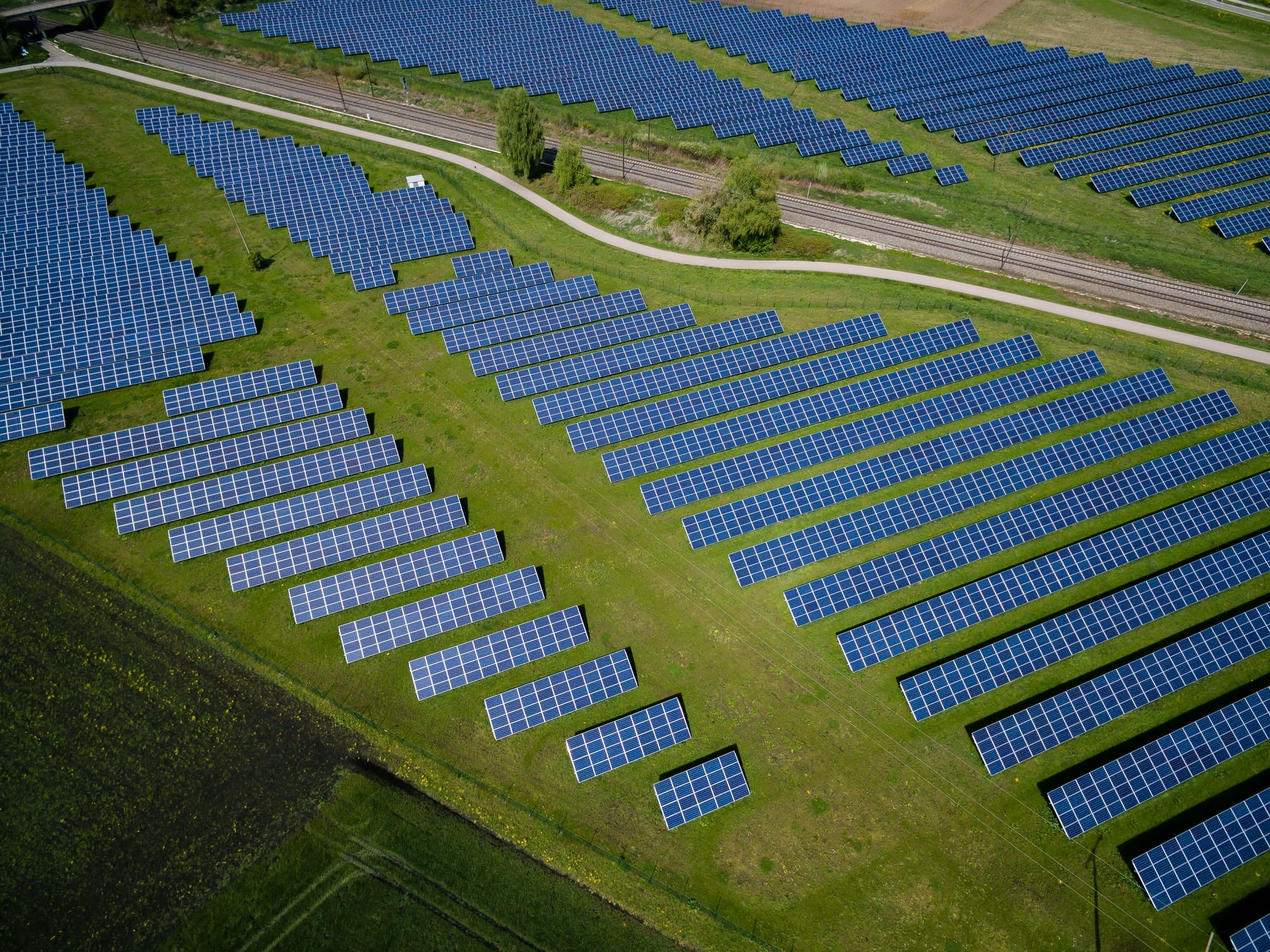
Liberty Utilities currently generates about a quarter of its power from solar in Nevada, with the rest purchased through NV Energy. Which ultimately means the contract’s end does not just reduce service, but it eliminates the structural foundation of the region’s electricity supply and finding a substitute supplier will not be easy. Liberty itself has called current market conditions “extremely competitive.” The compressed timeline makes that search more difficult still, and the consequences of falling short fall squarely on households in one of California’s higher-cost mountain communities, where electricity costs have already surged approximately 77% since late 2022.
NV Energy’s Explanation and What It Leaves Out
NV Energy has been careful to frame the contract termination as a long-anticipated, orderly transition. A spokesperson for the utility stated that the transition had been a plan “well before data center load growth was a consideration”, and called it a “planned transition, not a reaction to recent developments." In Liberty’s expedited CPUC filing, Liberty said NV Energy had cited the transmission constraints of data centers in the Tahoe-Reno Industrial Center, and in Northern Nevada, among the reasons to end full-requirements service. Additionally, NV Energy’s 2024 filings had attributed 75% of its major-project load growth specifically to data center requirements. The timing and the stated rationale are difficult to reconcile.
The Data Center Boom Reshaping Northern Nevada
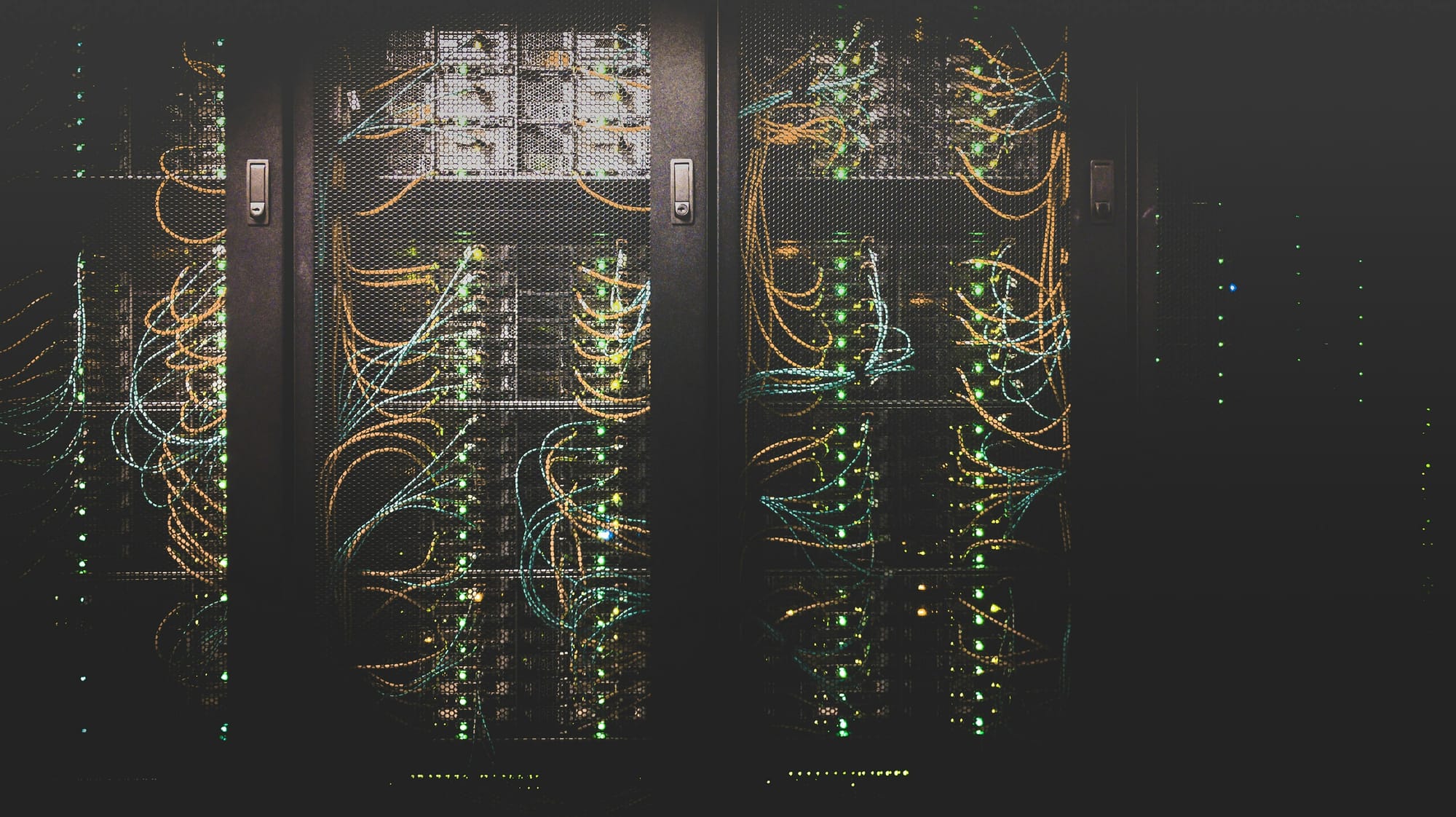
Major technology corporations including Google, Apple, and Microsoft are currently expanding their operations within the Tahoe-Reno Industrial Center, positioning Northern Nevada as one of the most significant AI infrastructure locations in the United States and the scale of that build-out alone is staggering. Data centers consumed 22% of Nevada’s electricity in 2024 and that figure is expected to reach 35% by the end of the decade. The Desert Research Institute estimated that 12 new data center projects alone would need about 5,900 megawatts of power which is roughly 2.8 times the output of Hoover Dam. These are not modest industrial facilities tucked into remote corners of the desert. They are colossal energy consumers that, by NV Energy’s own accounting, are fundamentally reshaping how the utility allocates its resources and its obligations.
A Race Against the Clock
As a response to the contract termination, Liberty submitted an advice letter to the California Public Utilities Commission in March 2026 seeking authorization to begin the process of identifying new power supply partners, with a formal request for proposals expected in summer 2026.The utility’s leadership has pointed to NV Energy’s Greenlink West transmission project as a partial lifeline.
Liberty’s local president said the company would be “first in the waiting line” when Greenlink opens, giving it access to a wider pool of energy providers. But that timeline matches the contract deadline exactly, leaving almost no margin for delay. The precariousness of that position is difficult to overstate. A transmission project of this complexity running even slightly behind schedule could leave Liberty without adequate supply precisely when the contract expires.
The Broader Question No One Is Asking
The crisis unfolding in Placer and El Dorado counties is, in microcosm, a preview of conflicts likely to multiply across the American West as data center demand accelerates. AI data centers are projected to consume 12% of total U.S. electricity by 2028, up from 4.4% in 2023. The current grid infrastructure built over decades for residential and commercial users was not designed to absorb that type of concentrated industrial load growth in a matter of years and what makes the Lake Tahoe situation particularly pointed is the visibility of whose interests are being deferred.
On one side sits Google, Apple, and Microsoft, three of the most profitable corporations in human history, expanding infrastructure at a pace that strains regional power systems.
On the other side sits roughly 49,000 people in mountain communities, retirees, working families, small business owners, and nonprofit organizations serving vulnerable populations, who now face potential rate shocks and reliability risks through no fault of their own. Regulators, utilities, and policymakers have long promised that grid modernization would benefit everyone. The Lake Tahoe situation suggests that when scarcity arrives, households without lobbying power tend to wait in line.