Table of Contents
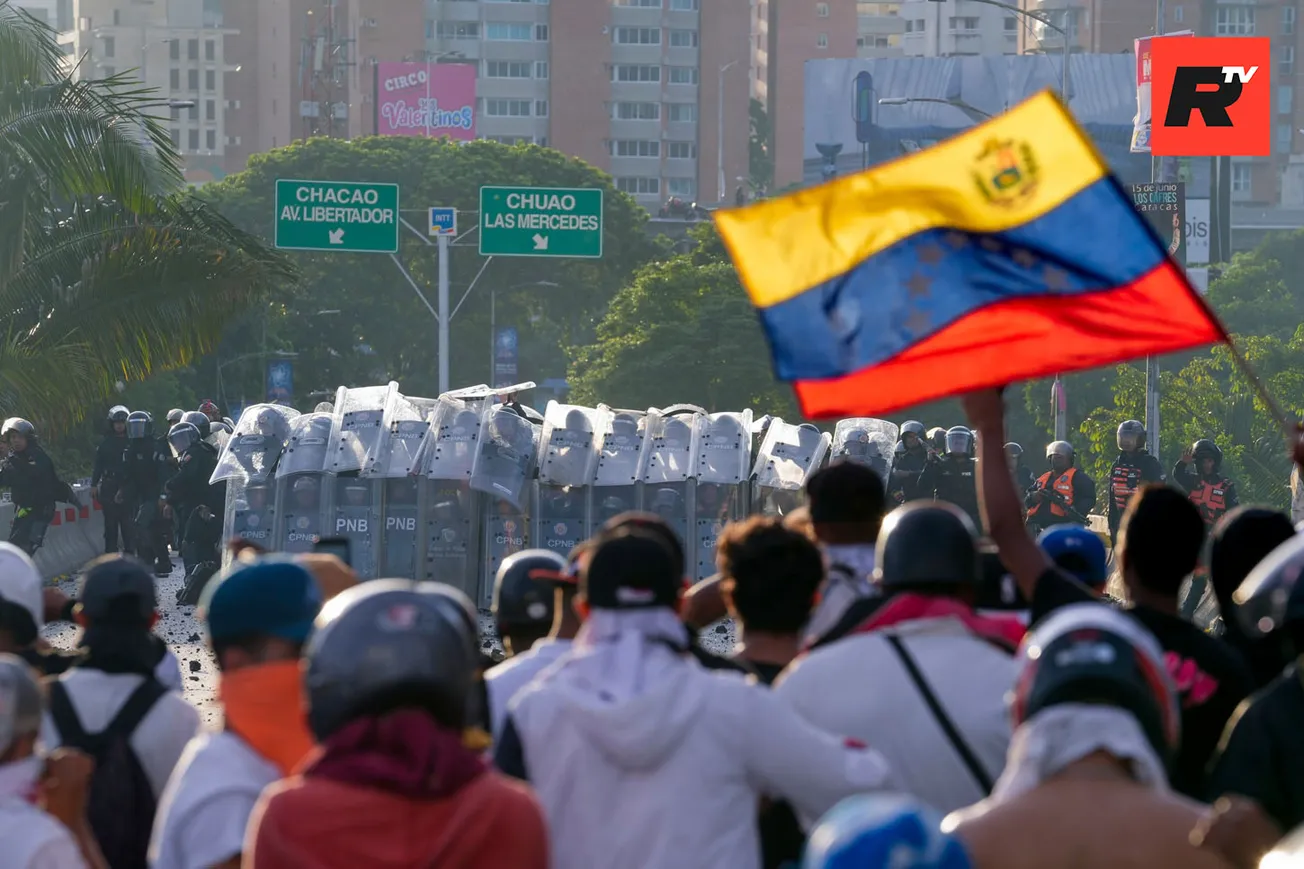
Honduran drug lord tied to El Chapo was recently pardoned by Donald J. Trump. Juan Orlando Hernández was convicted in 2024 by U.S. prosecutors of conspiracy to import cocaine, weapons offenses, machine-gun charges, and facilitating trafficking for drug cartels. Outrage and confusion followed the pardon announcement, as the U.S. is preparing military action against Venezuela over drug-trafficking allegations.
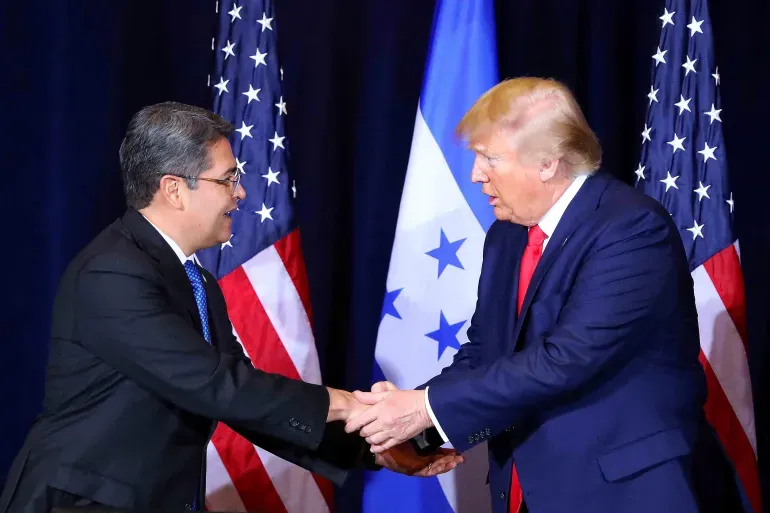
This pardon stands in stark contrast to the actions taken against Venezuela, suggesting this brewing conflict is politically selective rather than principle-based. What is the reason behind this clear double standard? Is it in America's best interest, or is there foreign influence behind the operation? Let's explore some possibilities.
IRGC, Iran, and Venezuela activity, 2005-2025:
2005-2009
Venezuela and Iran form a deep political alliance under Hugo Chávez and Iran's Mahmoud Ahmadinejad. Early intelligence reports suggest Quds Force operatives are embedded in diplomatic and industrial missions.
2010-2012
The U.S. Treasury sanctions Iran-Venezuela banks for aiding Iranian sanction evasion. Intelligence reports grow of Iranian advisors assisting Venezuelan intelligence services.
2013-2016
Maduro, now in office, continues strategic ties with Iran. Hezbollah-linked networks reportedly expand operations in Venezuela and the Tri-Border area.
2017-2019
Mahan Air begins Tehran-Caracas flights, and cooperation in security and industrial sectors increases.
2020
Iran sends fuel, technicians, and refinery support with reported ties to IRGC-linked engineering units.
2022
Venezuela and Iran announce expanded military cooperation, including suspected drone training and technology transfers.
2023-2025
Ongoing intelligence warns of growing Iranian and Hezbollah activity in South America. While not publicly confirmed, many intelligence reports strongly suggest IRGC presence in Venezuela.
Weakening IRGC operations in Venezuela would significantly deplete Iran's ability to project power outside the Middle East. The IRGC currently has a rare foothold in the Western Hemisphere by utilizing a partnership with Venezuela. Disrupting Venezuelan ties may limit Iran's ability to bypass sanctions and finance proxies.
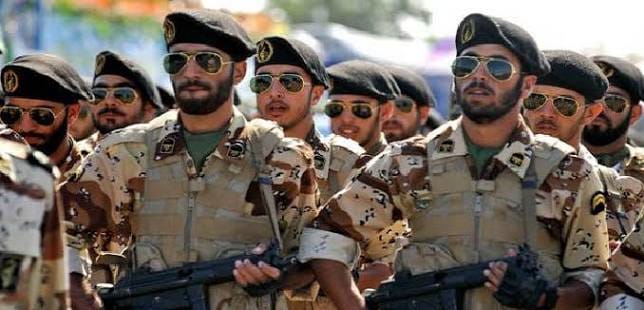
There has been a continued effort to weaken elements of the Iranian military through U.S.–Israel cooperation. We saw this earlier this year with Operation Midnight Hammer when the U.S. attacked three major Iranian nuclear sites. The bombing disrupted Iran's operational capacity, slowed its weapons program, and diverted Tehran's resources inward, which significantly reduced pressure on Israel's northern and regional fronts.
Venezuela has the largest proven oil reserves in the world along with significant global trade channels. Holding roughly 17–18% of global reserves and surpassing Saudi Arabia, Venezuela is a major strategic player in global energy politics. In 2025, a significant amount of Venezuela's oil exports went directly—or via intermediaries—to China. This now makes China the largest single buyer of Venezuelan crude. Much of Venezuela’s oil has been increasingly routed to China as U.S. sanctions and Western restrictions have closed off traditional markets.
As China became Venezuela's dominant buyer of crude, U.S. leverage in Latin America weakened. The shift also strengthened global sanction-evasion networks, reducing the long-term effectiveness of U.S. economic pressure tools. China has taken full advantage.
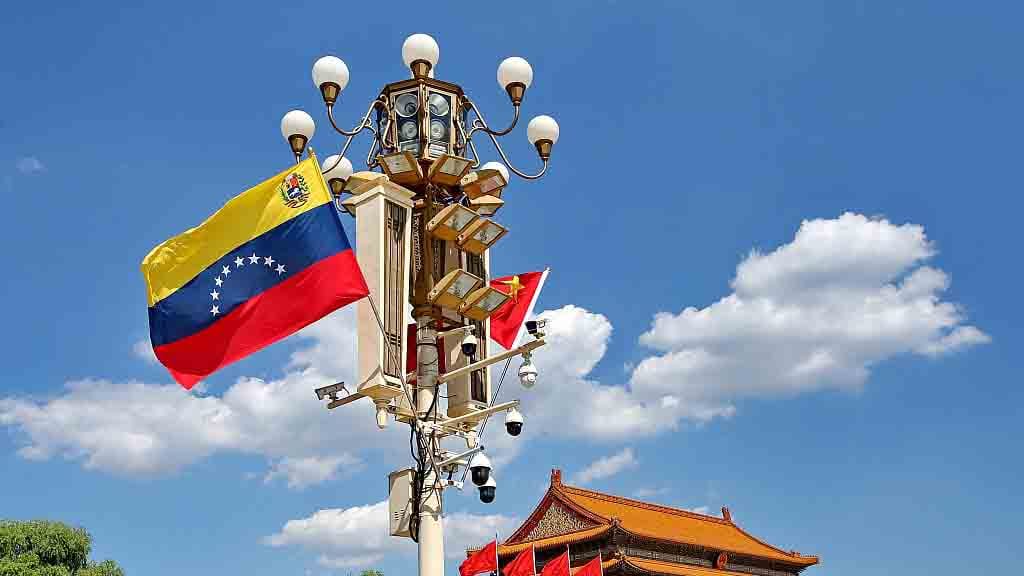
Not only has China become dominant in crude oil purchases, but it has also gained control over significant access points to trade routes in Venezuela. While China doesn't formally own any Venezuelan ports or shipping routes, its oil-for-loan deals, exclusive CNPC and Sinopec contracts, and Chinese-funded port improvements give it extreme privilege and priority access to Venezuela's major export channels. These channels occupy a strategic location linking the Caribbean, Atlantic, and Latin American markets.
Additional concerning ties to consider are China’s Huawei and ZTE-engineered Fatherland Card System. This system gives China control over the nation's core communications networks and logistical monitoring platforms. China has embedded itself into the digital architecture that governs Venezuelan daily life. This gives Beijing unprecedented access to citizens, commerce, and supply chains. Essentially, China now sits at the center of Venezuela's internal machinery.
This falls in line with what we've seen over the past two decades, where China, as well as Russia, have steadily expanded their political, economic, and security footprint in Latin America. They have been strategically stepping into the space the U.S. has allowed to form.
Is what we're seeing with the U.S. military and Venezuela a heavy posturing to overturn the China-Russia takeover of Latin America while past administrations slept?
When considered together—the Trump administration's pardon of a major drug trafficker, the rush toward conflict with Venezuela, and the deepening Iranian and Chinese presence in the region—it suggests this is about far more than counter-narcotics. Venezuela has become a battleground where Iran projects power, China dominates energy flows, and U.S. influence has eroded.